

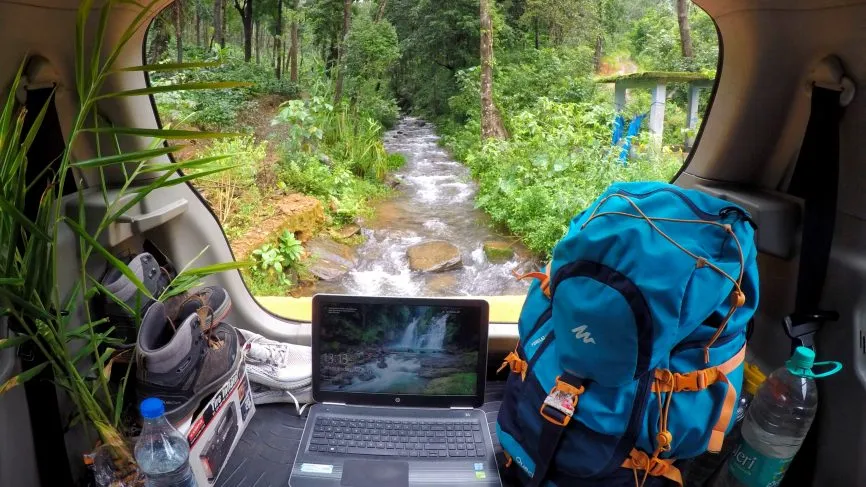
Workation destinations are redefining how professionals balance career ambitions with a desire to explore the world. Instead of waiting for annual leave to travel, remote workers are blending productivity with paradise, logging into meetings from beachfront cafés or mountain-view apartments.
The rise of hybrid and fully remote jobs has unlocked new possibilities. Employees are no longer confined to office cubicles. With reliable WiFi and flexible schedules, work can happen from almost anywhere.
This shift has sparked a global trend.
People are now choosing cities and scenic locations not only for vacations, but for extended stays that combine work responsibilities with immersive travel experiences.
Why Workation Destinations Are Gaining Popularity
The pandemic accelerated remote work adoption worldwide. What began as a temporary adjustment became a permanent option for many industries.
As flexibility increased, professionals began seeking environments that supported both productivity and personal well-being.
Workation destinations offer that balance.
Imagine attending morning meetings from a quiet hillside villa and spending afternoons exploring local culture. This lifestyle reduces burnout and boosts creativity.
Research in workplace psychology suggests that new environments can stimulate fresh ideas and improved focus. When routine shifts, perspective often expands.
Companies are also recognizing the value of employee satisfaction. Happy employees tend to perform better and stay longer.
Top Global Workation Destinations to Consider
Some cities have emerged as favorites among remote workers due to strong infrastructure, digital nomad visas, and vibrant communities.
Bali
Bali has become synonymous with remote work culture. Affordable living, coworking spaces, and scenic beaches attract freelancers and entrepreneurs alike.
Ubud offers tranquil surroundings, while Canggu blends surfing culture with modern cafés designed for laptop-friendly productivity.
Lisbon
Lisbon combines European charm with reliable internet connectivity. Its sunny climate and coastal views make it an appealing option for long-term stays.
Portugal’s digital nomad visa program has further boosted its popularity among international professionals.
Chiang Mai
Chiang Mai offers affordability and a thriving digital nomad network. Its relaxed pace and rich cultural heritage provide a refreshing backdrop for remote work.
Many coworking hubs here host networking events and skill-sharing workshops.
Medellín
Known for its spring-like climate year-round, Medellín has invested heavily in digital infrastructure.
The city’s innovation district and modern apartments cater well to location-independent workers.
These examples highlight how geography, affordability, and connectivity define attractive Workation destinations.
What Makes a Great Workation Destination?
Not every scenic location qualifies as ideal for remote work.
Reliable internet is non-negotiable. High-speed connectivity ensures seamless video calls and cloud-based collaboration.
Time zone compatibility also matters. Professionals working with global teams must consider meeting schedules.
Safety, healthcare access, and accommodation comfort influence long-term productivity.
Access to coworking spaces or quiet cafés enhances focus.
Beyond logistics, lifestyle factors play a role. Access to nature, cultural experiences, and healthy food options contribute to overall well-being.
When these elements align, productivity and enjoyment coexist.
The Real-Life Experience of a Workation
Consider a software developer from London who relocates temporarily to Lisbon.
Her mornings begin with coffee overlooking the Tagus River. She attends stand-up meetings with her team, completes coding tasks, and closes her laptop by mid-afternoon.
Evenings are spent exploring historic neighborhoods or enjoying seafood dinners.
The change of scenery refreshes her creativity.
Instead of feeling trapped in routine, she feels inspired.
This blend of work and exploration represents the core appeal of Workation destinations.
Balancing Productivity and Exploration
A common misconception is that working while traveling reduces efficiency.
In reality, structure is key.
Successful remote professionals create clear schedules. They designate work hours and leisure time intentionally.
Digital planning tools help maintain accountability.
Setting boundaries ensures that sightseeing does not interfere with deadlines.
Conversely, allocating downtime prevents burnout.
The balance between discipline and discovery defines a successful workation.
The Economic Impact of Workation Destinations
Local economies benefit significantly from long-term remote visitors.
Unlike short-term tourists, workation travelers often stay for weeks or months.
They rent apartments, dine at local restaurants, and use community services.
This extended engagement provides stable income for local businesses.
Governments are recognizing this opportunity.
Several countries now offer digital nomad visas designed to attract skilled professionals.
These programs stimulate economic growth without displacing local labor markets.
The model represents a mutually beneficial exchange.
Workation Destinations and Mental Well-Being
Changing environments can positively influence mental health.
Exposure to natural landscapes reduces stress levels.
Sunlight, outdoor activities, and cultural immersion enhance mood and resilience.
Professionals who feel energized are more likely to approach tasks creatively.
However, it’s important to acknowledge challenges.
Isolation can occur if remote workers do not actively engage with communities.
Joining local networking groups or coworking events fosters social connection.
Well-being thrives when workation experiences include both solitude and interaction.
Practical Considerations Before Choosing Workation Destinations
Preparation is essential.
Review visa requirements carefully to avoid legal complications.
Ensure accommodation includes dedicated workspace areas.
Invest in portable WiFi backup solutions if local connectivity is inconsistent.
Health insurance coverage abroad should not be overlooked.
Cultural awareness also enhances experience. Learning basic local language phrases demonstrates respect and facilitates smoother interactions.
Thoughtful planning ensures that the workation remains productive rather than stressful.
Technology Enabling the Workation Trend
Cloud computing, collaboration platforms, and project management tools have made remote work seamless.
Platforms like Slack and Zoom enable real-time communication across continents.
File-sharing services ensure instant access to documents.
These technologies remove geographical barriers.
Without them, Workation destinations would remain impractical for most professionals.
Digital infrastructure forms the backbone of this lifestyle shift.
Challenges of Workation Destinations
Despite their appeal, workations come with obstacles.
Time zone differences may disrupt team coordination.
Unstable internet connections can cause frustration.
Cultural differences might require adjustment.
There is also the temptation to overextend travel plans, leading to fatigue.
Maintaining productivity while constantly relocating can be exhausting.
Choosing slower travel rhythms often proves more sustainable.
The goal is not constant movement, but meaningful immersion.
The Future of Workation Destinations
As remote work becomes normalized, more regions are adapting to attract location-independent professionals.
Co-living spaces designed specifically for remote workers are emerging.
Rural areas with improved broadband connectivity are marketing themselves as peaceful alternatives to crowded cities.
Employers are increasingly open to flexible location policies.
Some companies even sponsor short-term workation programs to boost morale.
The concept is evolving from individual experimentation to structured corporate strategy.
Workation destinations are no longer a niche trend; they are part of the future of work.
EEAT and Responsible Workation Planning
Experience plays a vital role in choosing destinations wisely.
Learning from seasoned remote workers can prevent common mistakes.
Expert insights from travel consultants and immigration advisors add credibility to planning decisions.
Authoritative information from official government visa portals ensures compliance.
Trustworthiness stems from transparent communication with employers and clear understanding of legal obligations.
Responsible workation practices protect both professional reputation and personal safety.
When approached thoughtfully, this lifestyle enhances career growth rather than hindering it.
Read also :-