

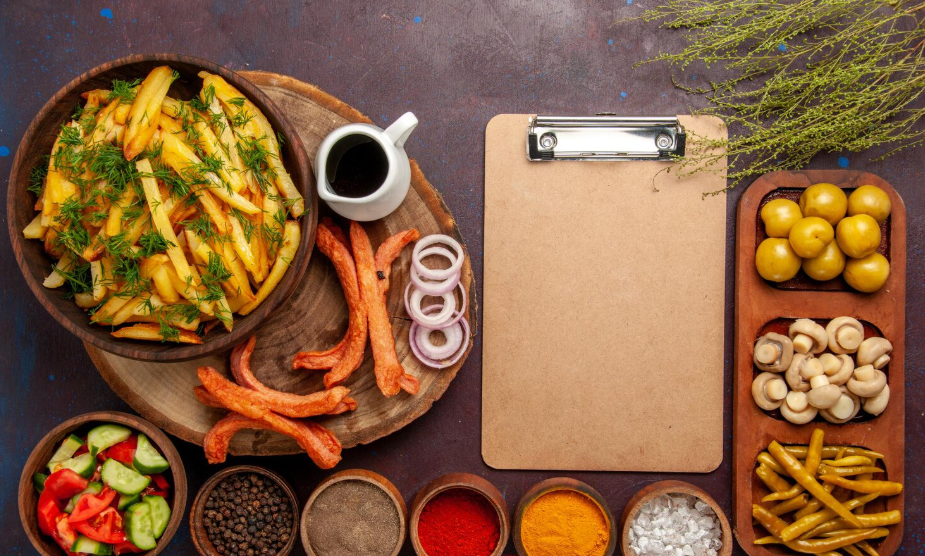
A good sauce can change the flavour of an ordinary meal without requiring a complicated recipe. tastymenuideas.com offers food inspiration for home cooks who enjoy trying practical ideas with familiar ingredients. Homemade sauces can add freshness, richness, mild heat, or a little extra flavour to many dishes. They can be served with sandwiches, vegetables, rice meals, grilled foods, and several other everyday preparations. The best part is that many sauces need only a few ingredients and a short preparation time. You can adjust the taste according to what your family enjoys. Some people prefer creamy mixtures, while others like fresh herb flavours or a little citrus. Making sauces at home also gives you more control over the ingredients being used. There is no need to prepare several varieties at once. Start with one simple recipe, understand its flavour, and make small changes when you feel comfortable.
Start With Basic Ingredients
Homemade sauces become easier when you understand the ingredients that create their main flavour. Yoghurt, fresh herbs, lemon juice, tomatoes, garlic, mustard, and mild spices are useful examples. Each ingredient has a different role, so the final result depends on how they are combined. A creamy base can soften stronger flavours, while citrus juice adds freshness. Herbs provide fragrance, and seasonings help bring the mixture together.
Before preparing a sauce, check which ingredients are already available in the kitchen. This can prevent unnecessary shopping and make the process more convenient. Fresh ingredients should be washed properly, while packaged products need a quick check of their labels and condition. Use clean bowls and utensils during preparation. Even a very simple recipe deserves sensible kitchen hygiene.
It is better to begin with small quantities when testing a new combination. Strong ingredients such as garlic, mustard, and chilli can change the flavour quickly. Add them gradually and taste the mixture before adding more. If the sauce becomes too strong, a suitable base ingredient may help balance it. Learning these small adjustments makes homemade cooking less confusing.
Prepare A Creamy Yoghurt Sauce
Yoghurt sauce is useful because it can accompany many different meals. Plain yoghurt creates a smooth base that works with vegetables, sandwiches, wraps, and several savoury dishes. Add chopped coriander, a little lemon juice, and mild seasoning for a fresh everyday mixture. Cucumber can also be included when a cooler texture is preferred.
Choose plain yoghurt without added flavouring for better control over the final taste. Stir it gently until the texture becomes smooth. Add the herbs and seasoning in small amounts, then mix everything evenly. If the mixture feels too thick, a little additional yoghurt can help adjust it. Avoid adding too much liquid because the sauce may become difficult to serve.
A yoghurt sauce can be prepared shortly before a meal. If it needs to be made earlier, place it in a covered container inside the refrigerator. Use a clean spoon when serving and avoid leaving dairy-based mixtures outside for extended periods. Fresh preparation is usually preferable when only a small quantity is needed.
Make Fresh Tomato Sauce
Tomato sauce is a familiar choice for many home kitchens. It can accompany sandwiches, homemade snacks, pasta dishes, and several savoury preparations. Fresh tomatoes provide a natural base, while garlic, herbs, and mild seasoning can add more character. The final flavour depends on the tomatoes and the cooking time.
Wash ripe tomatoes and remove any damaged sections before preparation. Chop them into smaller pieces so they cook more evenly. Place them in a suitable cooking vessel with a little oil and the chosen seasonings. Stir occasionally while the tomatoes soften. The mixture can then be blended or mashed according to the texture you prefer.
Some people enjoy a smooth sauce, while others like small pieces of tomato. Both approaches can work for different meals. If the flavour seems too sharp, a small amount of suitable seasoning may help balance it. Avoid adding too many ingredients at once because the natural tomato flavour can become difficult to recognise.
Try Simple Herb Mixtures
Fresh herbs can give a homemade sauce a noticeable change in flavour. Coriander, mint, parsley, and basil are common choices for different types of food. Their natural fragrance can make simple meals feel more interesting. The best herb depends on the dish and the flavour you want to create.
A coriander mixture can be prepared with washed leaves, lemon juice, and a little seasoning. Mint can create a refreshing accompaniment for sandwiches and savoury snacks. Basil may work well with tomato-based preparations. Chop the herbs finely or blend them with suitable ingredients until the texture becomes consistent.
Fresh herbs should be checked carefully before use. Remove damaged leaves and wash the remaining ingredients under clean running water. Dry them properly when the recipe requires a thicker texture. Excess moisture can make some mixtures watery and may affect how they keep. Prepare only the amount needed when fresh herbs are not used regularly.
Balance Sweet And Sour Flavours
Some sauces combine sweet and sour flavours to create a different taste experience. Lemon juice, tamarind, fruit, and suitable sweet ingredients can be used in different combinations. The balance matters because too much sweetness can cover the natural flavour, while excessive sourness may make the sauce difficult to enjoy.
A simple fruit-based mixture can accompany certain snacks or light meals. Choose ripe fruit, prepare it cleanly, and combine it with a suitable amount of citrus. Tamarind-based mixtures may need careful adjustment because their flavour can be quite strong. Add small quantities and taste as you go.
The texture should also suit the food being served. A thicker mixture may work well as a dip, while a thinner sauce can be easier to spread or drizzle. Do not assume that every sauce needs the same consistency. Consider how it will be used before deciding whether to add more liquid or allow the mixture to reduce during cooking.
Prepare Mild Garlic Sauce
Garlic adds a distinctive flavour to homemade sauces. It works with yoghurt, mayonnaise-style bases, cooked vegetables, and several savoury dishes. However, its flavour can become strong very quickly. Start with a small amount and adjust according to personal preference.
For a simple version, combine finely crushed garlic with plain yoghurt and a little lemon juice. Stir the mixture until the ingredients are evenly distributed. A small amount of chopped coriander can add another layer of flavour. Allow the sauce to rest briefly in the refrigerator when appropriate so the ingredients blend together.
Raw garlic may taste stronger than cooked garlic. People who prefer a milder flavour can use a smaller quantity or choose a suitable cooked preparation. Make sure the garlic is fresh and properly cleaned before use. Discard any damaged or spoiled ingredients instead of trying to cover their condition with seasoning.
Use Sauces With Vegetables
Sauces can make vegetables more enjoyable for people who prefer additional flavour. Cucumber, carrot, steamed corn, roasted vegetables, and fresh salad ingredients can be served with suitable dips. A yoghurt and herb mixture works with several fresh vegetables, while a tomato-based sauce may suit cooked preparations.
Think about the natural flavour of the vegetables before choosing an accompaniment. Mild vegetables can work with a stronger sauce, while already seasoned dishes may need something simpler. A heavy mixture can sometimes cover the flavour of the main ingredient. Keeping the combination balanced usually produces a more enjoyable result.
Vegetables should be washed and prepared safely before serving. Cut them into suitable pieces and keep them covered when they are not being eaten immediately. Dairy-based dips should remain chilled until serving time. Avoid returning food that has been served to a shared container, especially when several people are eating.
Match Sauces With Meals
A sauce should complement the main dish rather than compete with it. Creamy mixtures may suit fresh sandwiches, while tomato-based sauces can accompany pasta or savoury snacks. Herb mixtures may work with vegetables and simple rice preparations. These are starting ideas rather than strict rules.
Consider the flavour already present in the meal. If the main dish contains several spices, a mild yoghurt sauce may provide a useful contrast. A simple grilled vegetable preparation may benefit from a fresh herb mixture. Sandwiches with several fillings may need only a small amount of sauce to keep their flavours clear.
Serving the sauce separately gives everyone more control over the amount they use. This can be helpful when family members have different preferences. Place a small serving bowl beside the meal and provide a clean spoon. Keep extra sauce refrigerated rather than leaving the full container on the dining table for a long period.
Store Homemade Sauces Safely
Homemade sauces often contain fresh ingredients that require careful storage. Dairy-based mixtures, chopped herbs, and fresh vegetable preparations should be handled with particular attention. Place suitable sauces in clean, covered containers and refrigerate them promptly. Follow safe food storage guidance instead of assuming that every mixture lasts for the same number of days.
Write the preparation date on the container when making sauces ahead of time. This makes it easier to remember when the mixture was prepared. Keep the refrigerator clean and avoid placing uncovered food beside the sauce. Use a fresh spoon whenever serving it, and never mix a new batch with an older mixture without checking its condition.
Some sauces are best prepared immediately before eating. Fresh herb mixtures may lose their colour and flavour after extended storage. Other recipes may keep better when their ingredients are cooked properly. If the smell, appearance, or storage history raises concern, discard the sauce rather than tasting it to check whether it is safe.
Keep Recipes Flexible
Homemade sauces should be flexible enough to suit different meals and household preferences. You can change the herbs, adjust the seasoning, or use another suitable base ingredient. Small changes often create enough variety without requiring an entirely new recipe. This is useful when the same ingredients are used across several meals.
Write down combinations that work particularly well. A simple note can include the ingredients, approximate quantities, and the meals served alongside the sauce. This makes it easier to prepare the same flavour again. It also helps identify changes that improved or weakened the final result.
Do not feel that every sauce needs a long ingredient list. A few fresh ingredients can create a useful accompaniment when their flavours work well together. Experiment gradually and avoid preparing more than the household can use safely. Simple recipes are often easier to repeat during ordinary busy days.
Conclusion
Homemade sauces can add variety to everyday meals without making kitchen preparation difficult. Yoghurt mixtures, fresh tomato sauces, herb combinations, and mild garlic preparations provide several useful starting ideas. Choose ingredients carefully, adjust flavours gradually, and store each mixture according to safe food handling guidance. A little practice can help you understand which combinations work best with your regular meals. Continue exploring simple recipes, use fresh ingredients, and make homemade sauces part of an enjoyable everyday cooking routine.
Read also :-