

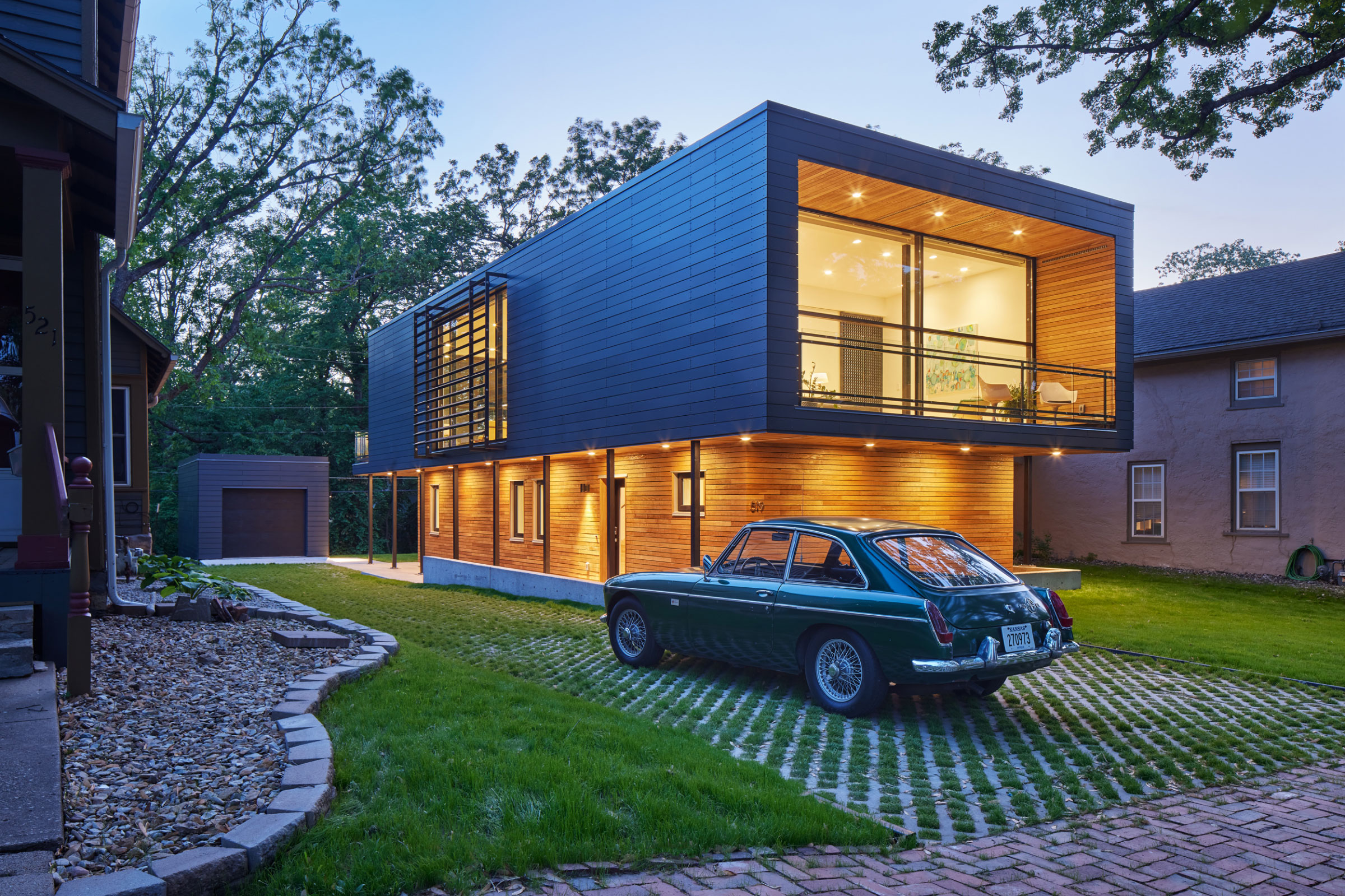
Residential architecture styles define how we live, feel, and experience our homes every day. From traditional houses that reflect cultural roots to modern homes designed for efficiency and aesthetics, architecture shapes not just structures but lifestyles. When you walk into a home, its design quietly tells a story—about the people who live there, the climate, and even the era in which it was built.
Think about a cozy heritage home in Jaipur with intricate carvings, versus a sleek glass house in Mumbai. Both serve the same purpose but feel entirely different. That’s the power of architecture.
The Evolution of Residential architecture styles
The journey of Residential architecture styles is deeply connected to human history. Early homes were built for survival, using locally available materials like mud, wood, and stone. Over time, architecture evolved to reflect culture, technology, and personal preferences.
In ancient times, homes were designed around climate. Thick walls kept interiors cool in hot regions, while sloped roofs helped in areas with heavy rainfall. As civilizations advanced, aesthetics and comfort became equally important.
Today, architecture blends tradition with innovation. Modern homes often incorporate sustainable materials, smart technology, and open layouts, creating spaces that are both functional and visually appealing.
Traditional Residential Styles Around the World
Traditional Residential architecture styles are rich in cultural significance. They reflect the history, climate, and lifestyle of different regions.
In India, traditional homes often feature courtyards, jharokhas, and detailed craftsmanship. These elements are not just decorative; they serve practical purposes like ventilation and temperature control.
In Europe, styles such as Victorian and Tudor homes showcase ornate designs, steep roofs, and intricate detailing. Meanwhile, Japanese homes emphasize simplicity, natural materials, and harmony with nature.
These traditional styles continue to inspire modern architecture, proving that timeless designs never lose their charm.
Modern and Contemporary Home Designs
Modern Residential architecture styles focus on simplicity, functionality, and clean lines. These homes often feature open floor plans, large windows, and minimalistic designs.
Contemporary architecture goes a step further by embracing innovation and experimentation. It adapts to current trends, incorporating new materials and technologies.
Homes in cities like Bengaluru and Delhi often showcase modern designs with smart home features, energy-efficient systems, and stylish interiors.
These designs prioritize comfort and convenience, making them ideal for urban lifestyles.
Colonial and Heritage Architecture
Colonial Residential architecture styles have left a lasting impact on many regions. These homes often feature symmetrical layouts, large verandas, and classic detailing.
In India, colonial architecture blends European influences with local elements. This fusion creates unique designs that are both elegant and practical.
Heritage homes, on the other hand, preserve historical significance. They are often restored and maintained to retain their original charm while incorporating modern amenities.
Living in such homes offers a sense of connection to the past, making them highly valued.
Minimalist and Sustainable Living Spaces
Minimalism has become a popular trend in Residential architecture styles, focusing on simplicity and functionality. These homes use fewer materials, neutral colors, and uncluttered spaces to create a calm environment.
Sustainability is another key aspect of modern architecture. Eco-friendly homes use renewable energy, natural ventilation, and sustainable materials to reduce environmental impact.
These designs are not just about aesthetics; they promote a healthier and more responsible way of living.
Influence of Climate on Architecture
Climate plays a crucial role in shaping Residential architecture styles. Homes are designed to adapt to local weather conditions, ensuring comfort and efficiency.
In hot regions, thick walls, shaded windows, and courtyards help keep interiors cool. In colder areas, insulation and compact designs retain heat.
Coastal homes often feature elevated structures and durable materials to withstand humidity and storms. These adaptations highlight the importance of climate-responsive design.
Understanding climate influence helps homeowners choose designs that are both practical and sustainable.
Role of Technology in Modern Homes
Technology has revolutionized Residential architecture styles, making homes smarter and more efficient. Smart home systems allow residents to control lighting, temperature, and security with ease.
Advanced construction techniques have improved durability and design flexibility. Materials like reinforced concrete and glass enable architects to create innovative structures.
Technology also enhances sustainability, with features like solar panels, rainwater harvesting, and energy-efficient appliances becoming more common.
These advancements are shaping the future of residential architecture.
Cultural Identity and Personal Expression
Homes are a reflection of personal identity, and Residential architecture styles play a key role in expressing individuality. From color choices to design elements, every detail contributes to the overall character of a home.
Cultural influences often shape these choices. Traditional motifs, local materials, and regional designs add a sense of belonging and authenticity.
At the same time, modern homeowners are experimenting with eclectic styles, blending different influences to create unique spaces.
This balance between tradition and personal expression makes architecture truly dynamic.
Urban vs Rural Architectural Styles
The contrast between urban and rural Residential architecture styles is striking. Urban homes prioritize space efficiency, modern amenities, and connectivity.
In rural areas, homes often focus on simplicity, natural materials, and harmony with the environment. Open spaces and traditional designs are more common.
Urban architecture tends to evolve तेजी, influenced by trends and technology, while rural architecture remains rooted in tradition.
Both styles have their own charm and practicality, catering to different lifestyles and needs.
Future Trends in Residential Architecture
The future of Residential architecture styles is shaped by innovation, sustainability, and changing lifestyles. Architects are exploring new materials, designs, and technologies to create homes that are both functional and inspiring.
Green buildings, smart homes, and modular designs are gaining popularity. These trends focus on efficiency, flexibility, and environmental responsibility.
As urbanization continues, there is also a growing emphasis on creating livable spaces that balance density with comfort.
The integration of nature into architecture, through features like vertical gardens and natural lighting, is another emerging trend.
Choosing the Right Style for Your Home
Selecting the right Residential architecture styles depends on various factors, including location, budget, and personal preferences. It’s important to consider both aesthetics and functionality.
A well-designed home should meet the needs of its residents while reflecting their personality. Consulting with architects and designers can help in making informed decisions.
Ultimately, the best style is one that feels comfortable, practical, and meaningful to those who live in it.
Homes are more than just structures; they are spaces where life unfolds, memories are created, and stories are told.
Read also: