

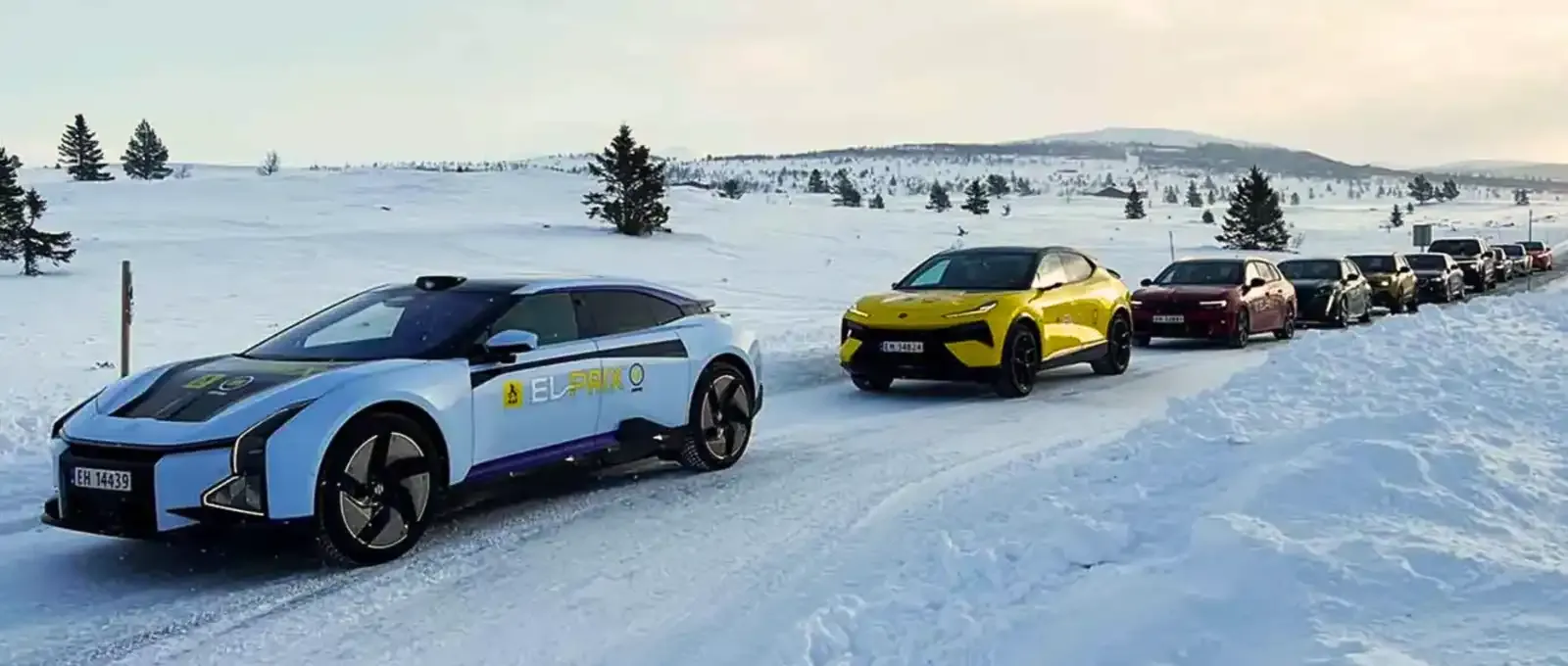
Electric vehicle range tests are often the first thing buyers look at when considering an EV, and for good reason. Range anxiety is still real, especially for first-time electric car owners. The advertised numbers may look impressive, but drivers quickly realize that real-world conditions rarely match lab results.
Range testing exists to bridge that gap between expectation and reality. These tests help consumers understand how far an electric vehicle can actually go on a single charge, depending on driving style, weather, road conditions, and load. Without proper testing, EV range becomes just another marketing number.
As electric mobility grows worldwide, transparent and reliable range testing has become essential for trust and adoption.
Why range matters more than horsepower in EVs
In traditional fuel cars, performance metrics like horsepower or top speed often dominate conversations. In electric vehicles, range takes center stage. It directly affects usability, trip planning, and charging behavior.
A vehicle with excellent acceleration but poor real-world range can quickly become inconvenient. Daily commuters, long-distance travelers, and fleet operators all rely on predictable range performance.
Range testing answers practical questions. Can you finish a workday without recharging. Can you complete a highway trip comfortably. These answers shape purchasing decisions more than spec-sheet numbers.
Understanding how electric vehicle range tests are conducted
Most manufacturers publish range figures based on standardized testing cycles. These include city driving, highway driving, and combined conditions. While standardized tests create consistency, they cannot reflect every real-world scenario.
Independent testers often conduct additional evaluations under varied conditions. These tests may include highway cruising at constant speeds, stop-and-go urban traffic, and mixed terrain driving. Temperature, tire pressure, passenger load, and driving mode are usually factored in.
This layered testing approach helps consumers see how range fluctuates in everyday use, not just in controlled environments.
Electric vehicle range tests and real-world driving behavior
Driving behavior plays a huge role in range outcomes. Smooth acceleration, regenerative braking, and steady speeds improve efficiency. Aggressive driving, rapid acceleration, and high cruising speeds reduce range significantly.
Range tests often simulate realistic driving styles to capture these differences. Some tests compare eco-driving versus sport modes to show how much range is lost or gained.
These insights help drivers adapt habits that maximize efficiency. They also explain why two owners of the same EV may experience very different ranges.
The impact of climate and weather on range results
Temperature is one of the biggest variables in EV performance. Cold weather reduces battery efficiency and increases energy use for cabin heating. Hot weather also impacts range due to air conditioning load.
Electric vehicle range tests conducted in different climates show noticeable variation. Winter tests often reveal range drops of up to twenty percent, while moderate temperatures deliver closer-to-rated results.
Understanding these variations helps buyers set realistic expectations. It also highlights the importance of thermal management systems in modern EVs.
Highway versus city range testing differences
City driving often favors electric vehicles because of regenerative braking and lower speeds. Frequent stops allow energy recovery, improving overall efficiency.
Highway driving presents a different challenge. Sustained high speeds increase aerodynamic drag, which significantly affects range. Many EVs achieve lower range numbers during highway-only tests.
Range tests that separate city and highway performance provide valuable insight. They help drivers understand how their typical driving environment will influence real-world range.
Electric vehicle range tests and battery degradation
Range testing is not only about new vehicles. Battery performance changes over time. Degradation gradually reduces usable capacity, impacting how far an EV can travel.
Long-term range tests track vehicles over thousands of kilometers to observe capacity loss. These tests provide realistic expectations for ownership over five or ten years.
Such data builds trust. Buyers gain confidence knowing how vehicles perform beyond showroom conditions. It also pushes manufacturers to improve battery durability and warranties.
Independent testing versus manufacturer claims
Manufacturer claims are based on standardized protocols and serve as a baseline. Independent electric vehicle range tests add context and credibility by validating those claims.
Automotive journalists, research organizations, and EV communities often publish independent results. These tests are conducted under transparent conditions, sometimes using everyday routes and public roads.
Independent data helps buyers compare vehicles fairly. It also encourages accountability across the industry.
Real-life example of range testing influencing buying decisions
A family considering their first electric SUV compared two models with similar advertised range. Manufacturer numbers showed only a small difference. Independent range tests, however, revealed a noticeable gap during highway driving with passengers and luggage.
That insight changed their decision. They chose the model with better real-world highway efficiency, even though the advertised numbers looked similar.
This example shows how testing data directly influences practical, informed choices.
Electric vehicle range tests for urban commuters
Urban drivers often underestimate how well EVs perform in city conditions. Frequent stops, lower speeds, and regenerative braking work in favor of electric drivetrains.
Range tests focused on city use often exceed advertised numbers. This reassures daily commuters who rarely drive long distances.
Understanding city-specific performance helps urban buyers realize they may need fewer charging sessions than expected.
Long-distance travel and highway range testing
Long-distance travelers care deeply about highway range consistency. Range tests conducted at constant speeds provide valuable benchmarks for trip planning.
These tests help drivers calculate charging stops, travel time, and energy consumption. They also highlight how speed choices affect efficiency.
For road trip enthusiasts, this data transforms range anxiety into manageable planning.
Electric vehicle range tests and charging infrastructure planning
Range testing does not exist in isolation. It directly impacts how drivers interact with charging infrastructure. Knowing realistic range helps drivers choose when and where to charge.
Fleet operators rely heavily on testing data to optimize routes and charging schedules. Accurate range predictions reduce downtime and operational costs.
As charging networks expand, range testing continues to inform infrastructure development and placement.
Trust, transparency, and EEAT in range testing
Experience, expertise, authority, and trust are critical when discussing EV performance. Reliable electric vehicle range tests come from experienced testers using repeatable methods.
Transparency about conditions, routes, and variables strengthens credibility. When testers openly share limitations and assumptions, audiences trust the results more.
This trust benefits the entire EV ecosystem. Buyers feel informed, manufacturers improve products, and adoption accelerates.
How consumers should interpret range test results
Range numbers should be seen as guidance, not guarantees. No single test can represent every driving situation.
Comparing multiple tests provides a clearer picture. Look for patterns rather than exact numbers. If several tests show similar results under similar conditions, confidence increases.
Understanding the context behind the data helps consumers make smarter decisions without unrealistic expectations.
Electric vehicle range tests and future technology
Battery technology continues to evolve. Solid-state batteries, improved chemistries, and better energy management systems will change how range is measured.
Future range tests may include new metrics such as charging efficiency and energy recovery optimization. Testing methods will adapt as vehicles become smarter and more connected.
These advancements will further reduce the gap between advertised and real-world performance.
The growing role of community-driven range testing
EV owner communities often share real-world range experiences. Crowdsourced data adds another layer of insight beyond professional testing.
These shared experiences highlight variations across driving styles, climates, and usage patterns. While not as controlled, they offer valuable practical perspectives.
When combined with formal testing, community data strengthens overall understanding of EV performance.
Electric vehicle range tests as a decision-making tool
At their core, electric vehicle range tests empower consumers with knowledge. They replace assumptions with evidence and marketing claims with measurable outcomes.
As EV adoption increases, demand for transparent testing will only grow. Buyers want confidence, not surprises, when transitioning to electric mobility.
With accurate testing, realistic expectations, and informed choices, electric vehicles become not just sustainable alternatives but reliable everyday companions.
Used wisely, electric vehicle range tests turn curiosity into confidence and hesitation into action.
Read also: