

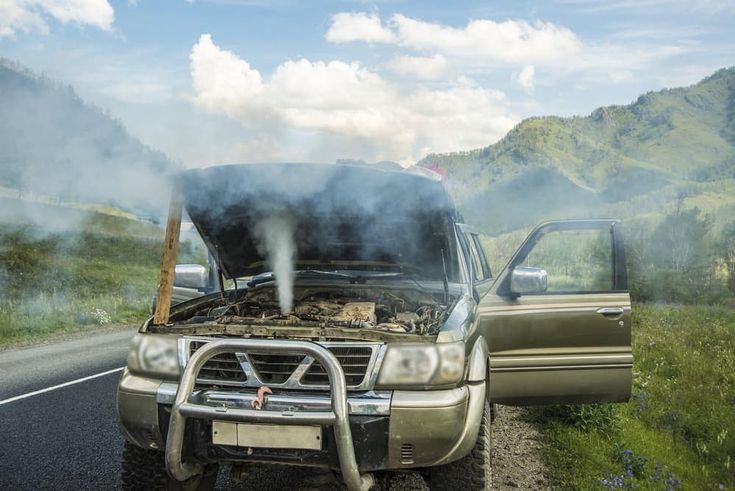
Car overheating solutions are something every driver eventually searches for, usually when steam starts rising from the hood and panic sets in.
If you’ve ever been stuck in traffic on a hot afternoon watching your temperature gauge climb like it’s chasing a record, you already know how stressful engine overheating can be. It doesn’t matter whether you drive a brand-new sedan or a ten-year-old hatchback. Overheating can happen to anyone, anywhere, often at the worst possible time.
This guide is written from a real-world perspective, not a mechanical textbook. It’s based on actual driving scenarios, trusted automotive knowledge, and years of hands-on experience shared by mechanics and long-time car owners. The goal is simple: help you understand what causes overheating, how to fix it, and how to prevent it from happening again.
Understanding Why Cars Overheat in Real Life
An engine generates massive heat every time it runs. Under normal conditions, the cooling system keeps that heat under control. When something in that system fails or gets overwhelmed, temperature rises quickly.
In everyday driving, overheating often happens during traffic jams, long uphill drives, extreme summer heat, or when the car hasn’t been maintained properly. A friend of mine once ignored a small coolant leak for weeks. One afternoon, the car overheated on a flyover, leading to a blown head gasket and a repair bill that hurt more than the breakdown itself.
Overheating is rarely sudden without warning. Your car usually gives signs before things get serious.
Early Warning Signs You Should Never Ignore
Most drivers only react when steam is visible, but by then damage may already be happening. Temperature gauges creeping above normal, warning lights flickering on, strange smells, or reduced engine power are all red flags.
A sweet smell inside the cabin often indicates leaking coolant. Knocking sounds may suggest oil thinning due to excess heat. If your air conditioner suddenly stops blowing cold air, it can also be linked to rising engine temperature.
Recognizing these signs early is one of the most effective car overheating solutions because it allows you to act before expensive damage occurs.
How the Cooling System Actually Works
To fix overheating, it helps to understand the basics. The radiator circulates coolant through the engine, absorbing heat and releasing it into the air. The water pump keeps coolant moving. The thermostat controls flow based on temperature. Cooling fans assist airflow when the car isn’t moving fast enough.
When any one of these components fails, heat builds rapidly. In hot climates or heavy traffic, even a small fault can push the system beyond its limits.
Car Overheating Solutions That Work Immediately
When your car starts overheating while driving, quick action matters. The safest step is to turn off the air conditioner and turn on the heater. It sounds uncomfortable, but it pulls heat away from the engine.
Pulling over and turning off the engine as soon as it’s safe prevents further heat buildup. Never open the radiator cap while the engine is hot. That’s a common mistake that causes serious burns.
Let the engine cool completely before checking coolant levels. Topping up coolant or water in an emergency can help temporarily, but it’s not a permanent fix.
Coolant Problems and How They Cause Overheating
Low or contaminated coolant is one of the most common reasons cars overheat. Coolant doesn’t just cool; it also prevents corrosion and raises the boiling point of the liquid inside the system.
Many drivers use plain water, especially in emergencies, and then forget to replace it with proper coolant. Over time, this leads to rust buildup, clogged passages, and poor heat transfer.
Regular coolant replacement according to manufacturer recommendations is one of the simplest long-term car overheating solutions that actually saves money.
Radiator Issues You Might Be Overlooking
Radiators don’t fail overnight. They clog slowly due to dirt, rust, and debris. External blockage from mud, leaves, or plastic bags can also reduce airflow.
If your car overheats mainly at low speeds or in traffic, the radiator or cooling fan is often the culprit. A weak radiator cap can also reduce system pressure, lowering the boiling point of coolant and causing overheating even when levels seem fine.
A professional radiator flush can restore performance if done in time.
Thermostat Failure and Its Hidden Danger
The thermostat is a small component with a big role. If it sticks closed, coolant can’t circulate properly. The engine overheats quickly, sometimes within minutes.
Many drivers replace radiators or fans without checking the thermostat first. Experienced mechanics always inspect this part early in diagnosis because it’s inexpensive and commonly overlooked.
Replacing a faulty thermostat is one of those car overheating solutions that feels almost too simple, yet it prevents major engine damage.
Water Pump Problems That Create Silent Damage
The water pump keeps coolant flowing. When it fails, overheating is inevitable. Leaking coolant near the front of the engine, whining noises, or temperature fluctuations are warning signs.
Ignoring water pump issues often leads to sudden overheating without much warning. Regular inspection during servicing can catch early wear and prevent breakdowns on long trips.
Cooling Fan Failures in Traffic Conditions
If your car overheats only in traffic but runs fine on highways, the cooling fan is likely at fault. Electric fans rely on sensors, relays, and motors. Any failure stops airflow when the car isn’t moving.
In hot countries, cooling fans work hard. Dust, moisture, and age take their toll. Replacing a faulty fan motor or relay is far cheaper than repairing a heat-damaged engine.
Engine Oil and Its Role in Temperature Control
Most people don’t connect engine oil with overheating, but it plays a major role. Oil lubricates and carries heat away from moving parts.
Low oil levels or old, degraded oil increase friction and heat. Using the wrong oil grade can also reduce cooling efficiency, especially in high temperatures.
Regular oil changes are an underrated but powerful part of car overheating solutions that protect both performance and engine life.
Driving Habits That Increase Overheating Risk
Aggressive driving, riding the clutch, overloading the vehicle, or towing beyond capacity all generate extra heat. Long idling with the air conditioner on full blast also strains the cooling system.
Simple habit changes make a real difference. Shifting to neutral during long stops, avoiding high RPMs in traffic, and reducing unnecessary load help keep temperatures stable.
Preventive Maintenance That Actually Works
Prevention is always cheaper than repair. Regular inspections of hoses, belts, coolant levels, and fans reduce the risk dramatically.
Most overheating incidents happen in cars that skipped routine maintenance. A small cracked hose or loose clamp can turn into a roadside emergency under pressure.
Trusting periodic professional inspections is one of the most reliable car overheating solutions for long-term peace of mind.
Real-World Example From a Highway Breakdown
A delivery driver once shared how his car overheated repeatedly during long highway runs. After multiple failed fixes, a mechanic discovered a partially clogged radiator that looked fine externally.
Once cleaned properly, the problem vanished. This highlights why accurate diagnosis matters more than guesswork. Overheating often has more than one contributing factor.
Can You Drive an Overheating Car?
Driving an overheating car, even for a short distance, risks warped cylinder heads, blown gaskets, and engine seizure. Modern engines are especially sensitive to heat.
If the temperature gauge enters the red zone, stopping immediately is the safest choice. Towing costs far less than rebuilding an engine.
When to See a Professional Mechanic
If overheating keeps returning despite topping up coolant or replacing basic parts, professional diagnosis is essential. Mechanics use pressure tests, thermal scans, and sensor checks to pinpoint issues accurately.
Ignoring recurring overheating almost always leads to expensive repairs later. Early expert intervention aligns perfectly with smart car overheating solutions based on experience and technical knowledge.
Building Trust Through Proper Car Care
Reliable information, real experiences, and expert-backed advice matter when dealing with engine health. Overheating isn’t just a minor inconvenience. It’s a warning sign your car should never be ignored.
Understanding the causes, reacting quickly, and maintaining your vehicle responsibly ensures safer drives and longer engine life. Whether you’re commuting daily or planning long road trips, being prepared makes all the difference.
Read also:
afghanistan national cricket team vs zimbabwe national cricket team match scorecard
afghanistan national cricket team vs zimbabwe national cricket team match scorecard