

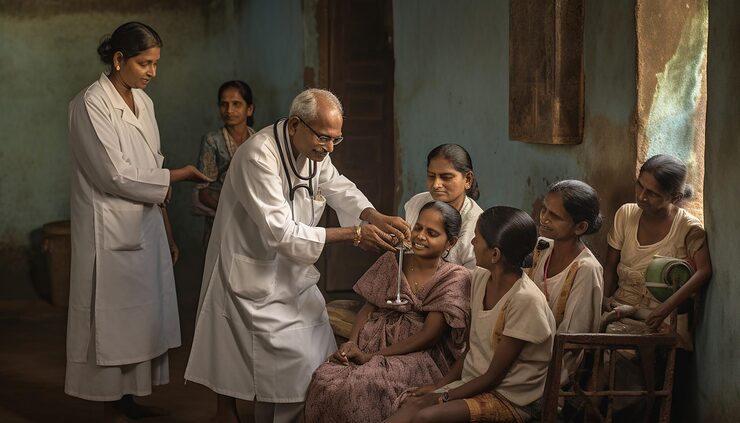
Ayushman Bharat Yojana is one of the most significant health initiatives in India, aimed at providing accessible and affordable healthcare to millions of citizens. Launched with the vision of universal health coverage, the scheme ensures that vulnerable families can receive free medical treatment in government and empaneled private hospitals.
India’s healthcare system has long faced challenges such as unequal access, high out-of-pocket expenses, and limited infrastructure in rural areas. The Ayushman Bharat Yojana addresses these issues by offering comprehensive coverage, focusing on preventive care, hospitalization, and wellness services.
Through this ambitious mission, the government envisions a healthier India where financial constraints do not prevent citizens from seeking timely medical care.
Objectives of Ayushman Bharat Yojana
The Ayushman Bharat Yojana aims to provide a two-pronged approach to healthcare. The first part focuses on health insurance, covering hospitalization costs for poor and vulnerable families. The second part, the Health and Wellness Centres (HWCs), emphasizes preventive care, early diagnosis, and promotion of healthy lifestyles.
This dual approach not only reduces the financial burden of medical emergencies but also strengthens primary healthcare infrastructure across the country. By focusing on both treatment and prevention, the Ayushman Bharat Yojana ensures a holistic improvement in the nation’s health standards.
The initiative also prioritizes digital health records, telemedicine, and mobile health units, allowing even remote populations to benefit from quality healthcare services.
Coverage and Benefits of Ayushman Bharat Yojana
Under Ayushman Bharat Yojana, eligible families can receive coverage up to INR 5 lakh per year for secondary and tertiary hospitalization. The coverage includes surgeries, day care procedures, maternity benefits, and critical illnesses.
The scheme also covers pre-existing conditions, ensuring that chronic disease management is accessible to those who need it most. Cashless and paperless facilities simplify the process, allowing patients to focus entirely on treatment without worrying about financial transactions.
By combining comprehensive coverage with user-friendly services, the Ayushman Bharat Yojana has become a lifeline for millions of families, particularly in rural and semi-urban areas.
Eligibility Criteria for Ayushman Bharat Yojana
Eligibility under Ayushman Bharat Yojana primarily targets economically weaker sections of society. The scheme uses socio-economic indicators and state-level poverty data to identify eligible households.
Beneficiaries can access the scheme using their Ayushman Bharat Health Account (ABHA) ID or verified government-issued identification. This ensures transparency and prevents misuse of benefits, while making the registration process simple and efficient.
By focusing on vulnerable populations, the Ayushman Bharat Yojana promotes equity in healthcare, enabling families who would otherwise avoid treatment due to cost concerns to access quality medical services.
Health and Wellness Centres Under the Mission
A unique feature of the Ayushman Bharat Yojana is the establishment of Health and Wellness Centres (HWCs). These centres focus on preventive healthcare, screening for non-communicable diseases, maternal and child care, and health promotion.
HWCs provide routine check-ups, vaccinations, counseling services, and health education programs, ensuring early diagnosis and reducing the burden of advanced-stage illnesses.
In remote areas, mobile HWCs bring essential health services directly to villages, making healthcare inclusive and convenient. This preventive approach complements hospitalization coverage, making Ayushman Bharat Yojana a comprehensive health mission.
Real-Life Impact Stories
The transformative effect of Ayushman Bharat Yojana is visible in the lives of countless families. In Uttar Pradesh, a farmer’s family accessed free surgery for a critical heart condition, saving them from significant financial distress.
In Rajasthan, a woman availed maternity benefits under the scheme, receiving pre- and post-natal care without worrying about expenses. Stories like these illustrate how the mission empowers citizens, reduces health-related poverty, and improves overall well-being.
By offering both treatment and preventive care, the Ayushman Bharat Yojana ensures that health emergencies no longer translate into financial emergencies for vulnerable families.
Digital Initiatives in Ayushman Bharat Yojana
Digital tools play a critical role in Ayushman Bharat Yojana, ensuring efficiency, transparency, and ease of access. The ABHA digital health ID allows citizens to maintain a lifelong health record, enabling hospitals to access medical history for accurate diagnosis and treatment.
Telemedicine platforms and mobile apps allow consultations, appointment scheduling, and digital prescriptions, reducing travel time and waiting periods for patients.
By integrating technology into healthcare delivery, the Ayushman Bharat Yojana modernizes medical services while empowering patients with information and control over their health.
Partnerships with Private Hospitals
To expand access to quality healthcare, the Ayushman Bharat Yojana collaborates with both government and private hospitals. Empaneled private hospitals provide cashless treatment, ensuring beneficiaries receive timely care without out-of-pocket expenditure.
These partnerships increase the availability of specialized treatments, advanced surgeries, and critical care facilities in areas where public hospitals may be limited.
By combining public and private sector resources, the Ayushman Bharat Yojana enhances healthcare coverage and reduces pressure on government hospitals.
Challenges and Government Measures
Implementing Ayushman Bharat Yojana across a diverse and populous country comes with challenges, including awareness gaps, limited infrastructure in rural areas, and fraud prevention.
To tackle these, the government has launched awareness campaigns, mobile outreach programs, and stringent verification protocols. Continuous training for hospital staff, real-time claim monitoring, and digital auditing ensure that services reach intended beneficiaries effectively.
These measures reflect the government’s commitment to overcoming implementation challenges and delivering on the promise of universal health coverage through Ayushman Bharat Yojana.
Preventive Healthcare and Community Outreach
Ayushman Bharat Yojana places significant emphasis on preventive healthcare. Awareness programs on nutrition, hygiene, vaccination, and lifestyle diseases are conducted at community levels to reduce long-term health risks.
Through health camps, mobile clinics, and educational initiatives, citizens are encouraged to adopt healthier habits, thereby decreasing dependence on hospitalization.
This proactive approach ensures that the mission addresses both immediate healthcare needs and long-term wellness, making it a sustainable solution for public health challenges in India.
Financial Protection for Families
One of the most significant impacts of Ayushman Bharat Yojana is financial protection. Medical emergencies can push families into debt, but with coverage up to INR 5 lakh per family, citizens can access necessary treatments without the fear of bankruptcy.
This economic security allows families to invest in education, nutrition, and livelihood opportunities, improving overall quality of life.
By mitigating the financial burden of healthcare, the Ayushman Bharat Yojana transforms the socio-economic stability of vulnerable households across the nation.
Future Prospects of Ayushman Bharat Yojana
The future of Ayushman Bharat Yojana looks promising, with plans to expand coverage, increase empaneled hospitals, and integrate advanced health technologies.
AI-based diagnostic tools, predictive health analytics, and virtual health services are expected to further enhance healthcare accessibility and quality.
As the initiative evolves, it continues to focus on inclusivity, equity, and financial protection, making quality healthcare a reality for every citizen in India.
Read also: