

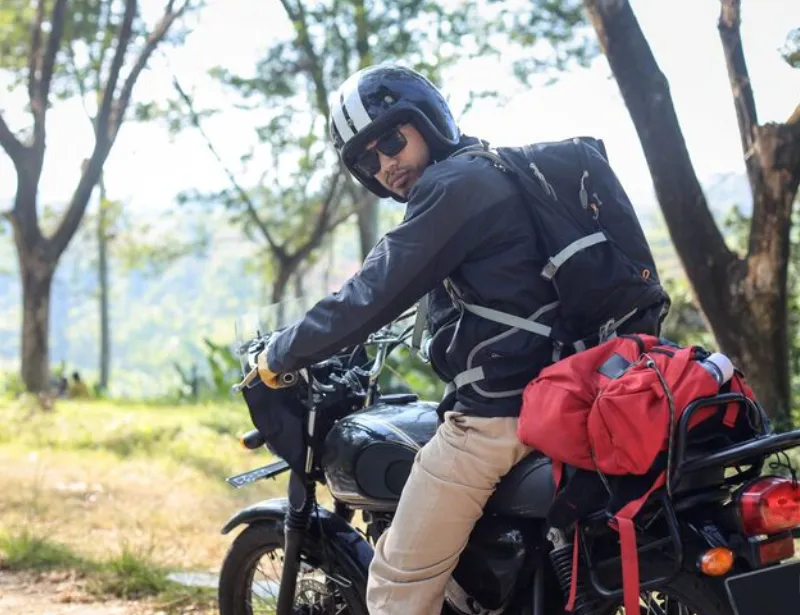
Most touring riders end up owning too many bags. A few good ones beat a garage full of mismatched leftovers. Choosing the best motorcycle bags Singapore shops offer is mostly about how the pieces work together, not about any single bag looking impressive on a shelf.
This guide shows how to build a balanced set. We cover layout, the role of the rear bag, materials, load limits, safety features, and budget. Hot, wet roads shape the advice. Nothing flashy. Just clear reasoning that helps you pack better and ride with less worry.
Building a Balanced Bag Setup
Think in zones. Up front, small items you grab often. In the middle, heavier things. At the back, bulkier but lighter loads. This layout keeps the bike steady and your stops quick.
Each bag should have a clear job. Overlap wastes space and money. Write down what you carry on typical trips, then match bags to those items. Riders who plan this way often need fewer bags than they expected, and the ones they keep get used constantly.
Role of the Tail Bag
The rear bag handles the bulk. A motorbike tail bag sits behind you, so it should hold things you reach for less often, like spare clothes, a rain layer, or a small tool roll. Keep the weight modest and centred.
Shape and size matter here. A bag that sticks out too far can upset balance and annoy a passenger. Check how it sits on your seat. If it forces you forward or blocks the grab rail, try another style. A good fit feels almost invisible after the first hour.
Choosing Materials for Humid Roads
Material decides how a bag copes with heat, rain, and sun. Coated nylon and tough polyester resist water and wear. Cheaper fabrics soak up moisture and fade fast. Run a hand along seams and corners, since weak stitching shows there first.
Zips deserve attention. Chunky, sealed zips keep water out better than thin ones. Look at strap anchors, too. They take a lot of strain. Humid air promotes mould, so airing out bags after wet rides helps them last longer.
Weight Limits and Load Sharing
Every bag has a limit, and so does your bike. Check the manual for rack and seat capacity. Overloading stresses mounts and changes handling in ways you may not like at speed.
Share the load across bags. Do not stuff one with everything. Put heavy items low and close to the frame. Keep the left and right sides even if you use more than one case. After a test ride, adjust. A balanced bike feels calm, and calm bikes are safer to ride.
Safety Features Worth Having
Reflective panels and bright trim help others see you. That matters at dusk, in heavy rain, or on poorly lit roads. Some bags include built-in rain covers, which are handy during sudden storms.
Look for lockable zips or at least tough fasteners. Hidden pockets are useful for documents. Avoid bags with loose straps that can flap into wheels or chains. A neat, well-secured bag is safer than a fancy one with dangling bits. Simple is usually better.
Budget Planning for Bag Sets
Spend where it counts. A rear bag that carries your heaviest items needs good build quality. A smaller pouch for snacks can be cheaper. Add pieces gradually, rather than buying a whole set at once.
Compare prices, but also compare warranties and return terms. A decent bag that lasts five years beats three cheap ones that split. Read reviews from riders in similar climates. Ask staff how bags hold up after months of use. Honest answers help you avoid expensive mistakes.
Conclusion
A good set of bags works as a team. Each piece has a role, the load stays balanced, the materials suit humid weather, and the safety features do real work. Spend where quality matters and add gradually as your needs become clear.
To compare options, visit motorradsg.com and browse the range. Ask questions test fit when you can and plan your layout before buying. Smart packing makes every ride easier and every stop faster. Ride safe stay organised and enjoy the journey ahead.