


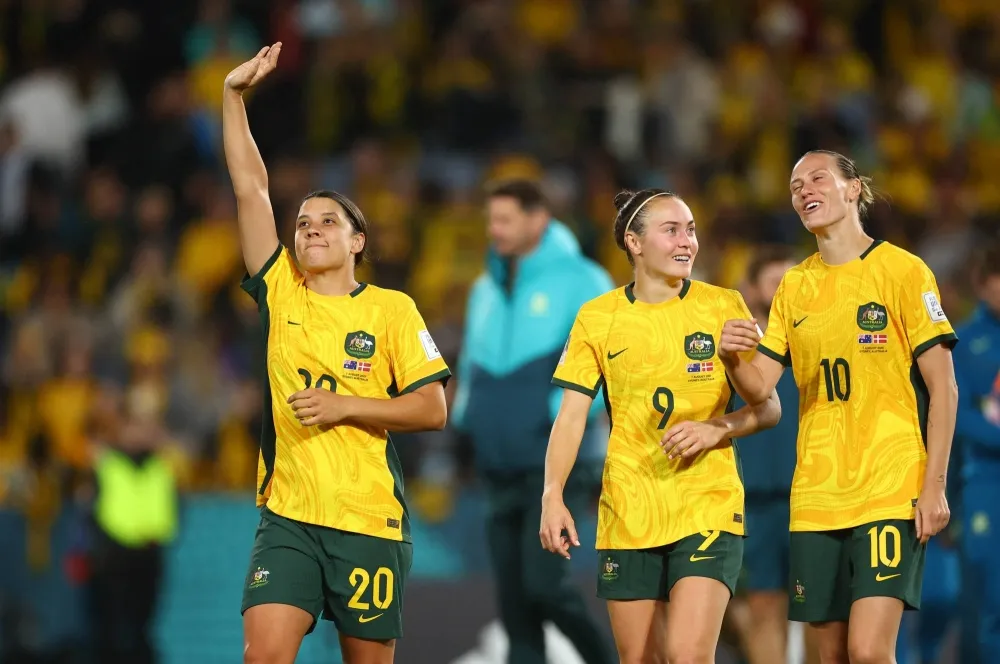
Women’s World Cup Momentum has transformed from a quiet ripple into a tidal wave that is currently reshaping the landscape of global sports. Just a decade ago, conversations about the women’s game were often relegated to the sidelines, but today, they dominate the front pages of sports journals and the trending sections of social media. This shift isn’t just about a single tournament; it is about a cultural awakening that has recognized the immense skill, passion, and commercial viability of female athletes on the grandest stage.
When we look at the most recent iterations of the tournament, particularly the 2023 event in Australia and New Zealand, we see a clear turning point. The atmosphere in the stadiums was electric, with sold-out crowds becoming the norm rather than the exception. It wasn’t just local fans showing up; people traveled from every corner of the globe to witness a level of tactical sophistication and technical brilliance that silenced any remaining skeptics.
This surge in interest is a result of years of grassroots advocacy and a slow but steady increase in professionalization across various national leagues. We are no longer seeing a massive gap between the elite few and the rest of the pack. Instead, the world is witnessing the rise of nations like Morocco, Jamaica, and Nigeria, who have proven that with the right support, any team can challenge the traditional powerhouses.
The storytelling aspect of the game has played a massive role in building this energy. We’ve seen young stars like Linda Caicedo or Mary Fowler become household names almost overnight. Their journeys, often marked by overcoming significant hurdles, resonate with a global audience that craves authentic and inspiring narratives. This human connection is what fuels the lasting impact of the tournament long after the final trophy has been lifted.
The Economic Power of Women’s World Cup Momentum
The financial world has finally started to take notice of the massive potential within the women’s game. For a long time, corporate sponsorship was treated as a “social responsibility” or a charity-like gesture, but those days are long gone. Brands now see the women’s tournament as a prime opportunity to reach a diverse, engaged, and loyal demographic that values inclusivity and progress.
Major apparel brands have moved beyond simply resizing men’s kits. They are now investing in research to create boots and equipment specifically designed for the female anatomy, acknowledging the unique physical demands and injury risks players face. This level of investment is a clear indicator that the industry believes in the longevity of the current growth and is willing to put significant capital behind it.
Broadcasting rights have also become a major battleground, reflecting the true market value of the competition. While there were public disputes regarding the valuation of rights in certain territories, the eventual resolutions showed that the demand from viewers is too high for broadcasters to ignore. People want to watch these matches, and they expect high-definition coverage, expert punditry, and comprehensive pre-match analysis.
This economic shift trickles down to the players in the form of better wages, improved travel conditions, and access to world-class training facilities. While the fight for equal pay is ongoing, the progress made in recent years has been historic. Nations like the United States and England have led the way in establishing fairer pay structures, setting a precedent that other federations are now beginning to follow.
Sustaining the Women’s World Cup Momentum in Local Leagues
One of the biggest challenges for the sport is ensuring that the excitement generated during a month-long international tournament carries over into the domestic club season. We have seen a “World Cup bounce” in leagues like the WSL in England and the NWSL in the United States, where attendance records are being broken regularly. However, maintaining this consistency requires a long-term strategic vision from league owners and club executives.
The visibility of players on a weekly basis is crucial for building a sustained fan base. When a fan watches their national hero score a winning goal in a World Cup, they want to be able to follow that player’s journey throughout the year. The integration of domestic leagues into mainstream sports broadcasting packages has been a game-changer, making it easier than ever for fans to stay connected with their favorite teams.
Investment in club infrastructure is the next logical step. Having dedicated stadiums, or at least regular access to top-tier venues, gives the women’s game a sense of permanence and professional status. We are seeing more “double-header” events and matches played at iconic stadiums, which introduces the women’s team to a broader audience that might not have previously considered attending a game.
Academy systems are also being overhauled to ensure a steady pipeline of talent. By providing young girls with the same coaching quality and pathway opportunities as boys, clubs are ensuring that the technical level of the game continues to rise. This investment in the future is what will prevent the current momentum from stalling, as a new generation of highly-skilled athletes enters the professional ranks every year.
The Cultural Impact and Global Role Models
The influence of the Women’s World Cup Momentum extends far beyond the boundaries of the pitch. It has become a powerful tool for social change, challenging gender stereotypes and empowering young women to pursue their dreams in any field. Seeing women command the attention of millions and excel under pressure provides a blueprint for success that is universally applicable.
In many parts of the world, football has become a vehicle for advocating for women’s rights and education. The success of national teams in countries where women’s sports were previously discouraged has opened doors for conversation and progress. The players themselves have become vocal advocates for various social causes, using their platforms to speak on everything from climate change to racial equality.
The “role model effect” is perhaps the most tangible result of this movement. Walk through any park today, and you are just as likely to see a young girl wearing a Sam Kerr or Aitana Bonmatí jersey as you are to see a Messi or Ronaldo one. This normalization of female sporting excellence is a profound shift that will have lasting effects on how future generations view gender roles in society.
This cultural shift also affects the media landscape. We are seeing more female commentators, analysts, and journalists occupying prominent roles in sports media. Their perspectives provide a more nuanced and inclusive view of the game, enriching the overall discourse and ensuring that the stories of female athletes are told with the depth and respect they deserve.
Technical Evolution and Tactical Sophistication
If you compare a match from twenty years ago to a match played today, the difference in technical quality is staggering. The modern women’s game is characterized by high-intensity pressing, intricate tactical systems, and a level of individual skill that is breathtaking. This evolution is a direct result of increased professionalization and access to better coaching from a young age.
Teams are no longer relying solely on athleticism; they are utilizing data analytics and sports science to gain a competitive edge. From monitoring player workloads to analyzing opposition patterns, the backroom staff in women’s football are as sophisticated as those in any men’s club. This dedication to the “fine details” has led to more competitive matches and fewer lopsided scorelines in international play.
The goalkeeping department, in particular, has seen massive improvements. Specialized coaching and a focus on positioning and distribution have turned goalkeepers into vital playmakers. This has changed the way teams build their attacks, allowing for a more fluid and expansive style of play that is highly attractive to the neutral viewer.
Scouting networks have also expanded globally. Clubs are now looking for talent in untapped markets, leading to a more diverse and international pool of players. This globalization of talent ensures that the best players in the world are competing against each other week in and week out, further driving up the standard of play across the board.
Overcoming the Challenges of Growth
Despite the incredible progress, the journey of Women’s World Cup Momentum is not without its hurdles. One of the primary concerns is the increased risk of injury, particularly ACL tears, which have sidelined many of the game’s top stars. Research into the specific biomechanics of female athletes is still in its infancy, and there is an urgent need for more medical studies to understand how to better protect players.
Scheduling is another major issue. As more tournaments are added to the calendar, the physical and mental load on the players is becoming a concern. Finding a balance between growing the game and protecting player welfare is essential. A congested calendar can lead to fatigue, which ultimately diminishes the quality of the product on the pitch and puts the players’ careers at risk.
The disparity in funding between different national federations remains a significant challenge. While the top teams are thriving, many others still struggle for basic resources like kits, pitches, and travel expenses. For the global game to truly flourish, there must be a more equitable distribution of resources and a commitment from FIFA and regional bodies to support developing nations.
Broadcasting rights disputes, while a sign of the game’s value, can also be a double-edged sword. If rights fees are set too high, it might prevent some regions from being able to watch the games, potentially slowing down the growth of the fan base in those areas. Finding a middle ground that respects the value of the game while ensuring maximum visibility is a delicate balancing act for administrators.
The Path Toward the 2027 Tournament
As we look toward the next World Cup, which will be hosted in Brazil, the anticipation is already building. Bringing the tournament to South America, a region with a deep-seated passion for football, is a stroke of genius. It promises to be a celebration of the sport’s rhythm and soul, set against the backdrop of some of the most iconic footballing venues in the world.
The 2027 event will be another litmus test for the growth of the game. The goal will be to break the records set in 2023 and to continue the trend of increasing competitiveness. We can expect to see even more nations making their debut on the world stage, bringing new stories and new styles of play to the global audience.
The preparation for 2027 starts now. Federations are already investing in their youth programs and planning their qualification campaigns. The momentum is not just about the month of the tournament; it is about the four-year cycle of preparation, growth, and development that leads up to it. Every friendly match and every domestic league game is a building block for the future.
We are also likely to see more technological innovations in the next tournament. From AI-assisted officiating to more immersive fan experiences in the stadiums, the 2027 World Cup will be a showcase for the future of the sport. The integration of technology will help to ensure that the game is fair and that the fans are more engaged than ever before.
The Role of Fans in Shaping the Future
Ultimately, the longevity of this movement depends on the fans. The passion, loyalty, and engagement of supporters are what drive the commercial interest and the media coverage. Every ticket bought, every jersey worn, and every match watched is a vote of confidence in the future of women’s football.
The fan culture in the women’s game is unique. It is often described as more inclusive, family-friendly, and positive than the traditional men’s fan culture. This environment attracts a different demographic and creates a space where everyone feels welcome. Preserving this unique atmosphere while the game grows in scale is one of the most important tasks for the footballing community.
Digital engagement is another area where the fans are leading the way. The use of social media to follow players, share highlights, and discuss tactics has created a global community that transcends borders. This “always-on” connection ensures that the conversation about women’s football never stops, even during the off-season.
As we move forward, the relationship between the players and the fans will continue to be a cornerstone of the sport. The accessibility and humility of many of the game’s top stars have created a bond that is rarely seen in professional sports. This mutual respect and shared passion are what will keep the fire burning for years to come.
The story of women’s football is still being written, and the current chapter is one of unprecedented success and limitless potential. We are witnessing a revolution that is not just about a game, but about a shift in the global consciousness. The hurdles are real, but the determination of the players, the vision of the leaders, and the passion of the fans are stronger.
As the world prepares for the next phase of this journey, one thing is clear: the energy is not fading. It is growing, evolving, and inspiring millions. The legacy of the recent tournaments will be felt for decades, as the young girls who watched their heroes today become the champions of tomorrow. The beautiful game has never looked more vibrant, and its future has never been brighter.
Read also :-
mohun bagan super giant vs bengaluru fc lineups
kerala blasters vs jamshedpur fc lineups
bengaluru fc vs mumbai city fc lineups
mumbai city fc vs chennaiyin fc lineups