


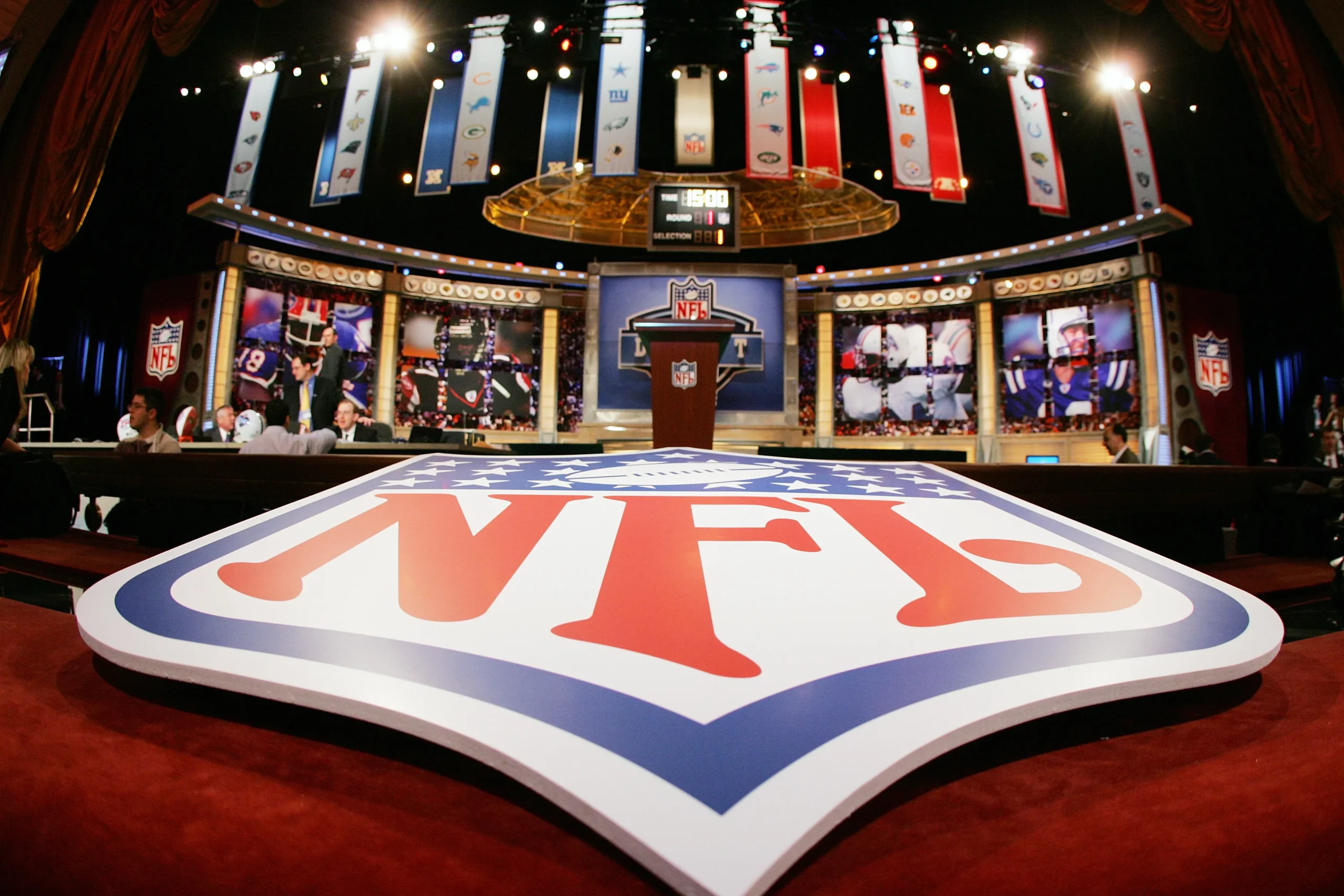
NFL draft picks have always been one of the most exciting and transformative aspects of American football, shaping the destiny of franchises, fanbases, and even the league itself. Every spring, fans, analysts, and scouts gather around screens, waiting to see which young athletes will become the next household names. For teams, these selections are more than just names on a board—they are calculated bets on the future, blending talent evaluation, strategy, and organizational philosophy.
The NFL Draft is not just an event; it is a narrative of hope, risk, and reinvention. Each selection carries a story: a college standout rising to the professional stage, a small-school prospect defying odds, or a once-overlooked player becoming a franchise cornerstone. Understanding how draft picks work provides insight into the NFL’s competitive balance and why some teams rise quickly while others struggle.
Understanding the Importance of NFL draft picks
Draft picks represent the lifeblood of team building in the NFL. Unlike leagues where financial power dominates roster construction, the NFL’s draft system ensures parity by giving weaker teams earlier selections. This mechanism helps maintain competitive balance and prevents dynasties from monopolizing talent purely through wealth.
For general managers, every pick is a strategic decision involving scouting reports, analytics, interviews, and medical evaluations. A successful draft class can turn a struggling team into a contender within a few seasons. Conversely, poor selections can set a franchise back for years.
Consider the Kansas City Chiefs drafting Patrick Mahomes. That single pick altered the franchise’s trajectory and turned the Chiefs into perennial Super Bowl contenders. Similarly, the Seattle Seahawks found Russell Wilson in the third round, demonstrating that impactful picks can occur beyond the first round.
How Teams Evaluate NFL draft picks
Evaluating draft prospects is a complex process combining traditional scouting with modern analytics. Scouts attend college games, pro days, and the NFL Combine to measure physical attributes such as speed, strength, and agility. Interviews and psychological assessments help teams understand a player’s character, work ethic, and adaptability.
Analytics departments analyze college performance metrics, injury history, and positional value to determine risk-reward profiles. Teams often create draft boards ranking players based on talent and team needs. However, real-life draft decisions are influenced by trade opportunities, positional depth, and long-term roster strategy.
The draft process is also deeply human. Stories of players overcoming adversity often influence team decisions, reflecting the league’s appreciation for resilience and leadership.
The Structure of the NFL Draft and Pick Allocation
The NFL Draft consists of seven rounds, with each of the 32 teams receiving one pick per round, adjusted by compensatory picks. The order is determined by the previous season’s standings, with the worst-performing teams picking first. This system ensures struggling teams have the opportunity to acquire elite talent.
Compensatory picks are awarded to teams that lose valuable free agents, promoting balance and rewarding smart roster management. Trades also play a significant role, as teams move up or down the draft board to secure specific prospects or accumulate additional picks.
The value of a pick changes drastically by round. First-round selections often command large contracts and high expectations, while late-round picks are seen as developmental projects or depth additions.
Famous NFL draft picks That Changed the League
The history of the NFL is filled with draft picks that altered the course of the league. Tom Brady, selected in the sixth round, became arguably the greatest quarterback of all time, redefining what teams look for in late-round prospects. Jerry Rice, a first-round pick, transformed the wide receiver position with his dominance and work ethic.
More recent examples include Joe Burrow, whose selection revitalized the Cincinnati Bengals, and Justin Jefferson, who quickly became one of the league’s top receivers. These players demonstrate that draft success requires both talent evaluation and organizational support.
Draft Day Strategies and Team Philosophies
Different teams approach the draft with unique philosophies. Some prioritize building through the trenches, selecting offensive and defensive linemen early to establish physical dominance. Others focus on skill positions, believing explosive playmakers can change games instantly.
Certain franchises embrace analytics-driven drafting, focusing on positional value and market inefficiencies. For example, teams may prioritize cornerbacks or pass rushers due to their high impact on game outcomes. Others prioritize quarterbacks, recognizing that elite signal-callers are the most valuable asset in modern football.
Draft-day trades are another strategic element. Teams may trade up to secure a franchise quarterback or trade down to accumulate more selections. The New England Patriots and Baltimore Ravens are known for trading down and maximizing draft capital, often turning multiple picks into consistent contributors.
The Role of Scouting Departments in Draft Success
Scouting departments play a crucial role in identifying talent. Regional scouts evaluate college programs, while national scouts focus on top prospects. Directors of player personnel synthesize this information into draft boards and recommendations.
The scouting process is continuous, starting years before a player becomes draft-eligible. Teams track high school prospects, college recruits, and underclassmen to build comprehensive profiles. This long-term evaluation helps reduce uncertainty and identify players with elite potential.
The rise of technology has transformed scouting. Teams now use video analytics, biometric data, and machine learning models to predict player success. However, traditional scouting remains vital, as intangible qualities like leadership and adaptability are difficult to quantify.
How NFL draft picks Impact Team Culture
Draft picks influence more than on-field performance; they shape team culture. Young players bring energy, competitiveness, and new leadership dynamics. A strong draft class can change locker room morale and establish a winning identity.
Franchises like the Pittsburgh Steelers and Green Bay Packers are known for building culture through the draft. By selecting players who fit their organizational values, these teams maintain consistency and long-term success.
Players drafted by a team often develop loyalty and identity with the franchise, strengthening fan engagement and brand recognition. This emotional connection enhances the business and community aspects of professional football.
Draft Busts and the Risks of Selection
Not all draft picks succeed. High expectations, injuries, and off-field issues can derail promising careers. Draft busts are a reality, reminding teams that evaluation is an imperfect science.
Quarterbacks are particularly risky selections, as their success depends on scheme fit, coaching, and mental resilience. Even highly touted prospects can struggle at the professional level. For every Patrick Mahomes, there are quarterbacks who never meet expectations.
Teams mitigate risk by diversifying selections, emphasizing character evaluation, and investing in player development. Coaching staff stability also plays a significant role in maximizing draft potential.
The Business Side of Draft Picks
Draft picks are valuable assets in the NFL’s business ecosystem. Teams trade picks for established players, creating a market where draft capital is currency. High draft picks can be used to acquire veteran stars, rebuild rosters, or move up the draft board.
Contracts for drafted players are governed by the rookie wage scale, making early-round picks cost-effective compared to veteran contracts. This system allows teams to allocate resources efficiently and build competitive rosters within the salary cap.
Fans and media coverage of draft picks also drive revenue through merchandise sales, ticket demand, and sponsorships. The draft has become a major media event, generating massive viewership and engagement.
The Psychological and Human Side of Draft Night
Draft night is one of the most emotional moments in a player’s life. Athletes and their families gather to watch the announcement, celebrating years of hard work and sacrifice. For many, it represents a life-changing opportunity and the fulfillment of childhood dreams.
Behind the scenes, coaches and executives experience intense pressure, knowing that each pick can define their careers. The draft combines data-driven decisions with human intuition, making it a unique blend of science and storytelling.
The narratives created during the draft—underdogs, hometown heroes, and emotional journeys—captivate fans and create lasting memories.
Modern Trends in Drafting
The NFL Draft continues to evolve with changes in the game. Position value has shifted as passing offenses dominate. Quarterbacks, wide receivers, and edge rushers command early picks, while running backs are often selected later due to shorter career spans.
College football trends also influence draft strategies. Spread offenses, dual-threat quarterbacks, and versatile defenders are increasingly valued. Teams seek players who can adapt to multiple schemes and roles.
International prospects and alternative leagues like the USFL and XFL are expanding the talent pool, providing new opportunities for evaluation and development.
How Analytics Are Transforming Draft Decisions
Analytics have become integral to modern drafting. Teams use predictive models to assess injury risk, performance trajectories, and positional impact. Data-driven insights help teams avoid overvaluing certain traits and identify undervalued prospects.
However, analytics complement rather than replace scouting. The best teams integrate quantitative data with qualitative evaluation, creating a holistic approach to drafting.
The rise of player tracking technology and advanced metrics continues to refine draft strategies, giving teams competitive advantages.
Fan Engagement and Media Influence
The draft has become a spectacle for fans, with mock drafts, expert analysis, and social media discussions dominating the offseason. Fans often develop emotional attachments to prospects and celebrate draft classes as symbols of hope.
Media coverage shapes public perception of draft picks, influencing narratives around success and failure. A strong draft class can boost fan confidence and ticket sales, while perceived poor drafting can lead to criticism and organizational pressure.
Teams increasingly leverage digital platforms to engage fans during the draft, sharing behind-the-scenes content and player stories.
Case Studies of Successful Draft Rebuilds
Several franchises have rebuilt through smart drafting. The Cincinnati Bengals used early picks on Joe Burrow and Ja’Marr Chase to transform their offense. The Detroit Lions and Jacksonville Jaguars have similarly focused on accumulating draft capital to rebuild their rosters.
These examples highlight the importance of patience and strategic planning. Draft success often requires multiple years of consistent selections and development.
Organizations that align drafting with coaching and culture-building tend to achieve sustainable success.
The Future of NFL draft picks in Team Building
The future of drafting will likely involve deeper integration of technology, global scouting, and personalized player development. Virtual reality training, AI-driven evaluation, and enhanced biometric data will refine prospect analysis.
The NFL may also explore changes to draft formats, compensatory systems, and international expansion. As the league evolves, draft picks will remain central to maintaining parity and fostering competition.
Teams that adapt to these trends while preserving traditional scouting wisdom will continue to gain an edge in talent acquisition.
The Role of Coaches in Maximizing Draft Potential
Coaches play a critical role in developing draft picks into productive players. Scheme fit, mentoring, and player development programs determine whether a prospect reaches their potential.
Organizations with strong coaching continuity often maximize draft returns. For example, the San Francisco 49ers and Pittsburgh Steelers consistently develop mid-to-late-round picks into key contributors.
Player development staff, strength coaches, and sports psychologists also contribute to maximizing draft investments.
Why Draft Picks Matter to Fans and Communities
Draft picks symbolize hope for fans and communities. A high-profile selection can energize a city, inspire youth participation in sports, and strengthen community engagement.
Players often become ambassadors for their teams, participating in community outreach and charitable initiatives. Draft picks thus contribute to the social and cultural impact of professional football.
The connection between drafted players and fans creates lasting loyalty and identity, reinforcing the NFL’s role in American culture.
NFL draft picks as the Foundation of Competitive Balance
The NFL’s draft system is designed to maintain parity and fairness. By distributing talent through draft order and compensatory picks, the league ensures that all teams have opportunities to compete.
This system differentiates the NFL from other professional leagues, where financial disparities can dominate competition. Draft picks level the playing field and create unpredictable, exciting seasons.
The constant infusion of young talent keeps the league dynamic, ensuring that every season brings new stars and storylines.
The Legacy of Draft Picks in NFL Histor
Draft picks have defined eras of football. The selection of legends like Joe Montana, Peyton Manning, and Aaron Rodgers shaped decades of competition and fan engagement. Each generation of players carries the legacy of those who came before, creating a continuous narrative of excellence.
Draft history also reflects the evolution of the sport, from run-heavy offenses to pass-dominant systems. Studying draft trends provides insight into how the NFL adapts to strategic and cultural changes.
NFL draft picks and the Path to Dynasty Building
Dynasties often begin with successful drafting. The New England Patriots built their dynasty through consistent draft success and player development. The Kansas City Chiefs, Baltimore Ravens, and Green Bay Packers similarly relied on drafting to sustain competitiveness.
Draft picks provide cost-controlled talent, allowing teams to allocate salary cap resources to key veterans. This balance between youth and experience is essential for long-term success.
Franchises that draft well create sustainable winning cultures, ensuring competitiveness across multiple seasons.
Read also:-
vissel kobe – fc barcelone : composition
bengaluru fc vs northeast united fc standings
punjab fc vs bengaluru fc stats
hyderabad fc vs jamshedpur fc timeline