


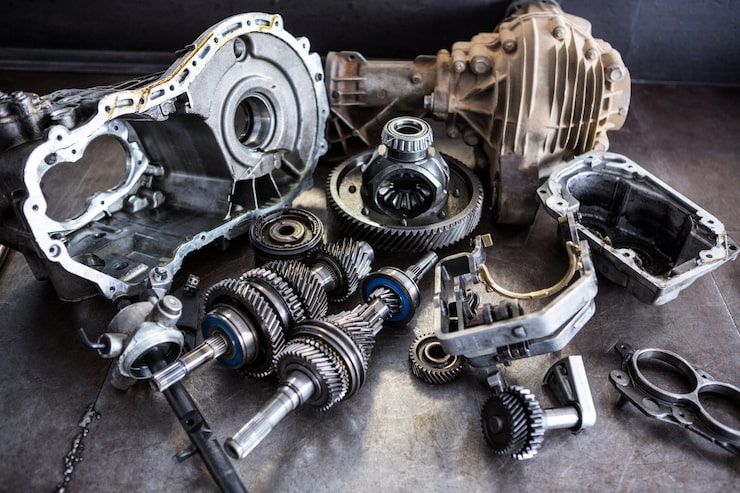
Engine parts for cars are the unseen heroes that determine how smoothly your vehicle runs, how efficiently it burns fuel, and how long it stays reliable on the road. Most drivers don’t think about what’s happening under the hood until a warning light flashes or performance suddenly drops. Yet every engine is a finely balanced system where each component has a specific job, and even one weak part can affect the entire driving experience.
I remember a friend who ignored a small knocking sound for months, assuming it was nothing serious. That sound turned out to be a worn engine bearing, and by the time it was checked, the repair bill was far higher than expected. Stories like this are common, and they highlight why understanding engine components is not just for mechanics but for everyday car owners as well.
This guide breaks down how car engines work, why different parts matter, and how informed decisions can save money and prevent breakdowns. Everything is explained in clear, real-world language, backed by mechanical principles and professional experience.
Understanding How an Engine Works as a System
A car engine is not a single unit but a collection of interdependent components working in harmony. Air enters, fuel mixes, combustion occurs, power is generated, and exhaust gases exit, all in a matter of milliseconds. For this process to remain smooth, every internal and external component must perform its role with precision.
When one part wears out or fails, the system compensates until it no longer can. That’s when symptoms like rough idling, overheating, power loss, or strange noises begin to appear. Knowing the basics helps drivers identify early warning signs before serious damage occurs.
Core Engine Components Every Car Relies On
At the heart of any engine is the engine block, which houses several critical moving parts. It supports the cylinders where combustion happens and provides the structural foundation of the engine. Built from cast iron or aluminum alloy, it is designed to withstand extreme heat and pressure.
Inside the block, pistons move up and down, converting fuel energy into mechanical motion. These pistons connect to the crankshaft, which turns linear motion into rotational force that ultimately drives the wheels. The crankshaft’s balance and strength are essential for smooth performance, especially at high speeds.
Another vital component is the cylinder head, mounted on top of the engine block. It contains intake and exhaust valves that control airflow, as well as spark plugs or fuel injectors depending on the engine type. A faulty cylinder head can lead to overheating, oil leaks, or compression loss.
The Role of Engine Parts for Cars in Performance and Longevity
Engine Parts for Cars and Combustion Efficiency
Engine parts for cars directly influence how efficiently fuel is burned. Components like fuel injectors, valves, spark plugs, and sensors must work together flawlessly. When injectors clog or spark plugs wear out, fuel combustion becomes incomplete, leading to reduced mileage and higher emissions.
Efficient combustion doesn’t just save fuel; it also protects the engine. Unburned fuel can wash away lubricating oil from cylinder walls, increasing wear over time. That’s why regular inspection and timely replacement of worn components are critical.
Engine Parts for Cars That Control Heat and Friction
Heat is a natural byproduct of combustion, but too much heat can destroy an engine. The cooling system, including the water pump, radiator, thermostat, and coolant passages, helps regulate temperature. A failing water pump or clogged radiator can cause rapid overheating, often resulting in warped components or blown gaskets.
Equally important is lubrication. Oil pumps circulate engine oil to reduce friction between moving parts. Bearings, camshafts, and crankshafts rely on a thin oil film to prevent metal-to-metal contact. Neglecting oil changes is one of the fastest ways to shorten engine life.
Intake, Exhaust, and Airflow Management
An engine breathes just like a living organism. Air intake components ensure that clean, properly measured air enters the engine. The air filter plays a critical role here, preventing dust and debris from damaging internal surfaces.
Once combustion occurs, exhaust components guide burnt gases out of the engine. Exhaust manifolds, catalytic converters, and mufflers not only manage emissions but also influence engine efficiency. Blockages or leaks in this system can cause back pressure, reducing power and increasing fuel consumption.
Sensors and Electronics in Modern Engines
Modern vehicles rely heavily on electronic sensors to optimize performance. Oxygen sensors, mass airflow sensors, crankshaft position sensors, and engine control units constantly adjust fuel delivery and ignition timing. These systems improve efficiency but also mean that a single faulty sensor can trigger warning lights and performance issues.
While these components may seem complex, they are designed to protect the engine. Ignoring sensor warnings often leads to larger mechanical problems down the line.
Signs That Engine Components Need Attention
Many drivers overlook early warning signs. Strange noises like knocking or ticking, excessive smoke from the exhaust, poor fuel efficiency, or frequent overheating are often linked to worn or failing components.
Regular servicing helps identify these issues early. A trusted mechanic can perform diagnostic tests, compression checks, and oil analysis to assess internal engine health. Acting early almost always costs less than waiting for complete failure.
Choosing Quality Engine Parts for Cars
Engine Parts for Cars: OEM vs Aftermarket
When replacements are needed, drivers often choose between original equipment manufacturer parts and aftermarket alternatives. OEM parts are designed specifically for your vehicle model and usually offer excellent fit and reliability. Aftermarket parts vary widely in quality, with some meeting or exceeding OEM standards and others falling short.
The key is to source components from reputable brands with proven performance records. Cheap parts may save money initially but often fail sooner, leading to higher long-term costs.
Engine Parts for Cars and Professional Installation
Even the best components can fail if installed incorrectly. Proper torque settings, alignment, and calibration are essential. Professional installation ensures that parts function as intended and reduces the risk of premature failure.
Many experienced mechanics emphasize that workmanship is just as important as part quality. A well-installed mid-range component often outperforms a poorly installed premium one.
Maintenance Habits That Protect Your Engine
Consistent maintenance is the most effective way to extend engine life. Regular oil changes, coolant checks, air filter replacements, and timely belt inspections keep the system running smoothly. These routine tasks may seem minor, but they prevent major breakdowns.
Driving habits also matter. Gentle acceleration, avoiding excessive idling, and allowing the engine to warm up properly can significantly reduce wear on internal components.
The Long-Term Value of Engine Awareness
Understanding how your engine works builds confidence as a driver. It allows you to communicate more effectively with mechanics, avoid unnecessary repairs, and make informed decisions about maintenance. Over time, this knowledge translates into lower ownership costs and a more reliable vehicle.
Experienced drivers often say that cars treated with care tend to “tell you” when something is wrong. Listening to those signals and acting promptly makes all the difference.
Future Trends in Engine Technology
Automotive engineering continues to evolve, with engines becoming more efficient and environmentally friendly. Turbocharging, direct injection, and hybrid systems rely on even more precise components. While these technologies improve performance, they also increase the importance of high-quality parts and expert servicing.
As engines become smarter, the relationship between mechanical parts and electronic systems grows stronger. Staying informed helps drivers adapt to these changes without feeling overwhelmed.
Why Engine Knowledge Builds Trust and Safety
Trust in your vehicle is built on reliability. Knowing that your engine components are in good condition reduces anxiety on long trips and daily commutes alike. It also improves safety, as sudden engine failures can be dangerous in traffic.
Professional mechanics, automotive engineers, and long-term drivers agree on one thing: engines reward care and punish neglect. Investing time in understanding how things work is never wasted.
Read also:
afghanistan national cricket team vs zimbabwe national cricket team match scorecard
wellhealthorganic.com:vegetarian protein sources
rs 125 only on thespark shop men jackets
nature real ytr call history