


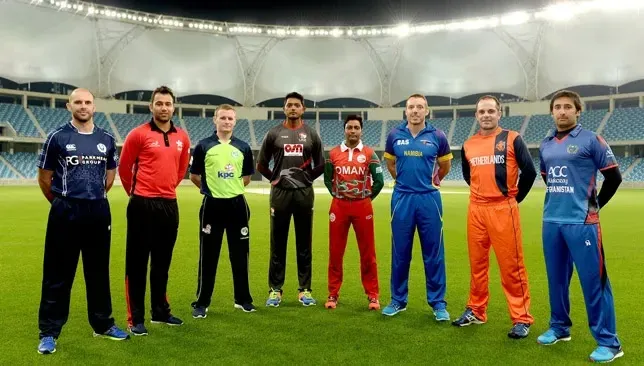
Associate Nations Qualifiers represent the gateway through which cricket’s emerging powers must pass to reach the sport’s most prestigious stages. These tournaments embody the dreams of players from nations where cricket isn’t the dominant sport, where funding is limited, and where every match carries the weight of a nation’s cricketing aspirations. Understanding this qualification pathway reveals a side of international cricket that rarely receives the attention it deserves but remains crucial to the sport’s global growth.
The journey through qualifying tournaments tests teams in ways that established cricket nations rarely experience. Players often hold down full-time jobs while training, teams travel on shoestring budgets, and infrastructure challenges that Test-playing nations solved decades ago remain daily obstacles. Yet within these constraints, incredible cricket happens, passionate rivalries develop, and dreams of competing against the world’s best drive players to extraordinary performances.
Understanding How Associate Nations Qualifiers Work
The qualification structure begins at the regional level, where cricket boards organize tournaments across different continents. Africa, Americas, Asia, East Asia-Pacific, and Europe each conduct their own qualifying competitions. These regional events determine which teams advance to global qualifying tournaments, creating a multi-tiered pyramid that gradually narrows the field of potential World Cup participants.
Regional qualifiers vary in format depending on the number of participating nations and available resources. Some regions conduct round-robin tournaments where every team plays each other, ensuring comprehensive testing of all participants. Others use a combination of group stages and knockout rounds to determine winners within compressed timeframes that accommodate budget limitations and player availability.
The ICC World Cricket League system historically provided structured pathways for associate nations to climb the cricket ladder. Teams competed across multiple divisions, with promotion and relegation adding stakes to every match. Performing well in Division Two could earn promotion to Division One, getting you closer to direct qualification for major tournaments. This system created clear incentives for development and rewarded sustained excellence over single tournament performances.
Global qualifying tournaments bring together the best teams from different regions to compete for the final spots in World Cups. These events generate intense competition because only a handful of teams will advance while others must wait another cycle for their next opportunity. The format typically involves groups followed by playoffs, ensuring teams need both consistency and the ability to perform in high-pressure knockout scenarios.
The Associate Nations Qualifiers pathway has evolved over the years as the ICC has adjusted its approach to global cricket development. Recent changes have expanded opportunities for associate nations while also increasing the number of teams competing in major tournaments. These structural adjustments reflect ongoing debates about balancing competitive quality with inclusivity and development objectives.
Historic Moments That Defined Associate Cricket Qualifying
Ireland’s qualification for the 2007 Cricket World Cup marked a watershed moment in associate cricket history. Their subsequent victory over Pakistan in the tournament itself proved that qualified associate nations could compete with and defeat established powers. This single result changed perceptions about associate cricket’s quality and demonstrated why providing these opportunities matters for the sport’s credibility and growth.
Afghanistan’s meteoric rise through the qualification ranks represents one of cricket’s greatest development stories. Starting from the bottom divisions in the early 2000s, they systematically won qualification tournament after qualification tournament, earning first ODI status and eventually Test status. Their journey inspired cricket development programs worldwide and proved that dedicated investment in associate cricket produces tangible results.
The Netherlands has consistently performed well in qualifying tournaments, reaching multiple World Cups and occasionally producing upset victories. Their professional approach to player development and leveraging their strong domestic league structure has created a sustainable model that other associate nations study. Netherlands cricket demonstrates that you don’t need to be a massive country to build competitive international teams.
Kenya’s qualification for the 2003 World Cup semifinals remains the highest achievement by any associate nation in a major tournament. They defeated several established teams during that campaign, though they played that tournament as a full member. Their success highlighted what associate nations could achieve when given opportunities, though Kenya’s subsequent decline also illustrated the challenges of maintaining momentum without adequate infrastructure investment.
Scotland, Namibia, and United Arab Emirates have all had moments where they came agonizingly close to major tournament qualification, falling just short in crucial matches. These near-misses carry profound disappointment for players who may never get another opportunity, but they also demonstrate the competitive balance improving at associate level. The gaps between success and failure in Associate Nations Qualifiers continue narrowing.
Challenges Faced By Teams In Qualification Tournaments
Funding represents the single biggest obstacle facing most associate nations seeking qualification. Travel costs alone for international tournaments can consume most of a cricket board’s annual budget. Teams must fundraise, seek corporate sponsorships, and sometimes rely on players’ personal finances to participate in crucial qualifying events. This financial pressure creates stress that extends beyond the cricket field.
Player availability creates constant headaches for associate nation coaches and selectors. Unlike full-member nations where players are contracted professionals, many associate cricketers must balance sport with careers in law, medicine, business, or other fields. Getting time off work for a three-week qualifying tournament isn’t always possible, forcing teams to compete without their best players in crucial matches.
Infrastructure limitations mean associate nations often arrive at qualifying tournaments with inadequate preparation. While Australia or England conduct training camps at world-class facilities with support staff numbering in double digits, associate teams might practice on substandard grounds with minimal coaching support. These preparation gaps don’t excuse poor performances, but they explain why upsets favor established nations more than associate challengers.
The pressure of qualification creates psychological challenges unique to associate cricket. For players from full-member nations, missing one World Cup means waiting four years for another chance while continuing to play regular international cricket. For associate nation players, failure might mean never playing in a World Cup at all, as age, injury, or life circumstances might prevent them from competing in the next cycle.
Media attention during qualifiers is often minimal compared to mainstream cricket events. Matches that determine World Cup spots receive limited broadcast coverage, making it harder for teams to attract sponsors or build fan bases. This visibility gap perpetuates funding challenges and makes it difficult for associate cricket to break into public consciousness beyond dedicated cricket followers who already appreciate these tournaments.
Success Stories Of Teams Emerging Through Qualifiers
Afghanistan’s transformation from refugee camps to Test nation status represents cricket’s most compelling development narrative. Their success through various qualifying tournaments captured global attention and demonstrated what focused development programs could achieve. The Afghanistan Premier League now attracts international players, and their national team competes regularly against top opponents, all built on the foundation of qualification tournament success.
Ireland’s eventual elevation to Test status in 2017 validated their years of excellence in qualifying events. They had proven repeatedly that they deserved to compete at cricket’s highest level, and their subsequent performances against Test nations confirmed that the decision to grant them full membership was correct. Ireland’s pathway showed that sustained success in Associate Nations Qualifiers could lead to permanent status among cricket’s elite.
Scotland developed several world-class players through their qualifying campaigns, including the Coetzer brothers, Richie Berrington, and Kyle Coetzer, who became Scotland’s leading run-scorer. These players gained invaluable experience in high-pressure qualifying matches that shaped them into reliable performers capable of troubling any opponent. The development pathway through qualifiers created these success stories.
The United Arab Emirates built a competitive national program despite cricket not being the country’s traditional sport. Their qualification for the 2015 World Cup marked the culmination of strategic investment in cricket infrastructure and smart recruitment of qualified players. The UAE’s approach demonstrated that emerging cricket nations could compete effectively with traditional powers given proper resources and planning.
Namibia’s return to World Cup cricket after a long absence showed that setbacks didn’t have to be permanent. Their qualification for the 2021 T20 World Cup energized Namibian cricket and created new opportunities for local players. Veterans who had almost given up on World Cup dreams got another chance, while young players experienced cricket’s biggest stage for the first time.
The Role Of ICC In Developing Associate Cricket Pathways
The ICC’s Global Development Program invests millions annually in associate cricket, funding coaching education, infrastructure improvements, and tournament organization. These investments directly impact qualification outcomes by helping teams improve their competitive standards. Countries receiving targeted development funding show measurable improvements in their qualifying tournament performances over time.
Changing World Cup formats to include more associate nations reflects ICC recognition that qualification barriers were potentially too high. Expanding tournaments from 10 to 20 teams in some formats gives more associate nations opportunities to compete globally. These format changes generated debate about competitive quality versus inclusivity, but they undeniably created more pathways for emerging nations.
The ICC’s Cricket World Cup Challenge League structure replaced the older World Cricket League divisions, creating more regular competitive cricket for associate nations. Teams play ODI matches throughout the cycle rather than waiting for occasional tournaments, allowing consistent development and providing players with the experience needed to succeed in crucial Associate Nations Qualifiers when they arrive.
High Performance programs run by the ICC identify talented players from associate nations and provide advanced coaching and training opportunities. These programs expose players to professional cricket standards and connect them with coaches and facilities they couldn’t access in their home countries. Graduates of these programs often become leaders when their nations compete in qualifying tournaments.
The ICC also works to increase media coverage of associate cricket, negotiating broadcast deals and promoting digital streaming of qualifying matches. Greater visibility helps teams attract sponsors, builds fan engagement, and creates commercial opportunities that can fund future development. This virtuous cycle of visibility leading to funding leading to improvement benefits the entire associate cricket ecosystem.
How Qualifying Tournament Formats Impact Outcomes
Round-robin formats favor consistency and depth over peak performance. Teams must perform well across multiple matches rather than peaking for one or two crucial encounters. This format generally benefits more established associate nations with developed cricket systems and deeper player pools. Smaller nations might struggle to maintain standards across a grueling two-week tournament with matches every other day.
Knockout formats create opportunities for upsets and reward teams that perform under pressure. A nation might lose several group matches but find form at the perfect moment in a semifinal or final to clinch qualification. This format suits teams with match-winners who can deliver exceptional performances even if overall squad depth is limited. The unpredictability makes knockout qualifiers incredibly exciting but also nerve-wracking.
Combined formats using groups followed by playoffs attempt to balance these approaches. Group stages test consistency while playoffs reward peak performance when it matters most. This structure mirrors major tournament formats, giving teams useful experience for the events they’re trying to qualify for. However, weather disruptions or injuries can have disproportionate impacts in condensed playoff scenarios.
Super Over rules and other tiebreakers add complexity to qualification scenarios. When teams finish level on points, net run rate calculations determine advancement. This reality forces teams to not just win but win convincingly, encouraging aggressive cricket even in comfortable positions. Smart teams manage net run rate actively throughout tournaments, recognizing its potential importance in tight qualification races.
The timing of Associate Nations Qualifiers within the international cricket calendar affects team preparation and player availability. Tournaments scheduled during northern hemisphere summers help European and North American teams but challenge African and Asian nations. Conversely, winter tournaments favor different groups. The ICC attempts to rotate timing to avoid systematically disadvantaging specific regions.
Player Development Through The Qualification Pathway
Many players now plying their trade in franchise leagues worldwide first made names for themselves in qualification tournaments. A stunning bowling performance or match-winning innings in a qualifier can attract attention from IPL teams, CPL franchises, or other leagues. This pathway creates life-changing opportunities for talented players from associate nations who might otherwise never receive international recognition.
The pressure of qualifying matches accelerates player development in ways that routine domestic cricket cannot. Facing elimination from World Cup contention teaches mental toughness and composure that only real high-stakes matches provide. Young players who experience these situations mature rapidly, often returning to their domestic competitions as leaders with valuable international experience.
Coaches from full-member nations increasingly recognize talent in associate cricket, sometimes recruiting players as overseas professionals for county or state cricket. These opportunities arise from exposure during qualifying tournaments where scouts attend specifically to identify emerging talent. The financial benefits for players can be substantial, and the cricket education gained proves invaluable.
National pride and cultural significance of qualifying success creates motivation that transcends monetary rewards. Representing your country at a World Cup becomes a defining life achievement, particularly for nations where cricket fights for attention against more popular sports. This emotional investment drives players to extraordinary efforts during Associate Nations Qualifiers, producing performances that shock more favored opponents.
The bonds formed between teammates during qualification campaigns often last lifelong. Sharing the unique pressures and challenges of associate cricket creates camaraderie that professional cricketers from wealthy boards rarely experience. These relationships sustain players through difficult times and create networks that support cricket development in their nations long after playing careers end.
Economic Impact Of Qualification Success On Associate Nations
Qualifying for a World Cup transforms associate cricket boards’ financial situations overnight. Prize money from tournament participation can exceed a board’s entire annual budget from other sources. This windfall allows investment in youth programs, coaching development, facility improvements, and other initiatives that create sustainable growth rather than one-time benefits.
Corporate sponsorships increase dramatically for teams that qualify for major tournaments. Companies want to associate their brands with success and World Cup participation provides visibility that normal associate cricket cannot offer. These sponsorship deals often extend beyond single events, providing multi-year funding that allows boards to plan strategically rather than hand-to-mouth.
Broadcasting revenue sharing from World Cup participation provides another financial boost. While associate nations receive smaller shares than full members, the amounts still significantly impact smaller boards. This revenue can fund domestic cricket infrastructure that benefits thousands of young cricketers who might one day compete in their own Associate Nations Qualifiers campaigns.
Tourism and local economic activity around home qualifying matches benefits host nations. International cricket draws visitors who spend money on hotels, restaurants, transportation, and entertainment. These economic multiplier effects extend beyond cricket boards to broader national economies, creating stakeholders who support continued cricket investment.
Government funding often increases following qualification success as politicians recognize cricket’s potential to enhance national prestige. Sports ministries approve budgets more readily when teams demonstrate international competitiveness. This increased government support can be transformative for associate cricket boards that previously operated on minimal resources.
Future Innovations In Associate Cricket Qualification
Digital streaming and social media are revolutionizing how associate cricket reaches global audiences. Matches that previously went unwatched except by handful of spectators now stream to thousands of viewers worldwide. This exposure creates new revenue opportunities through digital advertising and helps build international fan bases for associate nations that enhance their commercial viability.
The possibility of relegation from full-member status creates new dynamics in cricket’s governance structure. If Test nations could lose status through poor performance while associate nations could gain it through excellence, the stakes in qualification tournaments would increase dramatically. This meritocratic approach faces political resistance but would undeniably enhance competitive intensity.
Regional franchise leagues in associate cricket regions provide development pathways that complement the qualification system. Players gain professional experience in competitive environments that mirror international cricket. These leagues create financial opportunities for domestic players while attracting overseas professionals whose presence raises standards and provides learning opportunities.
Increased investment in women’s associate cricket creates parallel qualification pathways for female players. The growth of women’s cricket globally means more opportunities for nations to qualify teams for World Cups. This expansion benefits cricket overall by doubling the potential talent pool and creating new narratives around nations’ cricket development journeys.
Technology integration in Associate Nations Qualifiers continues improving, with DRS, analytics platforms, and broadcast quality approaching standards of major tournaments. These improvements enhance competitive fairness and make the cricket more engaging for viewers. As technology costs decrease, even resource-constrained associate nations can access tools previously available only to wealthy cricket boards.