


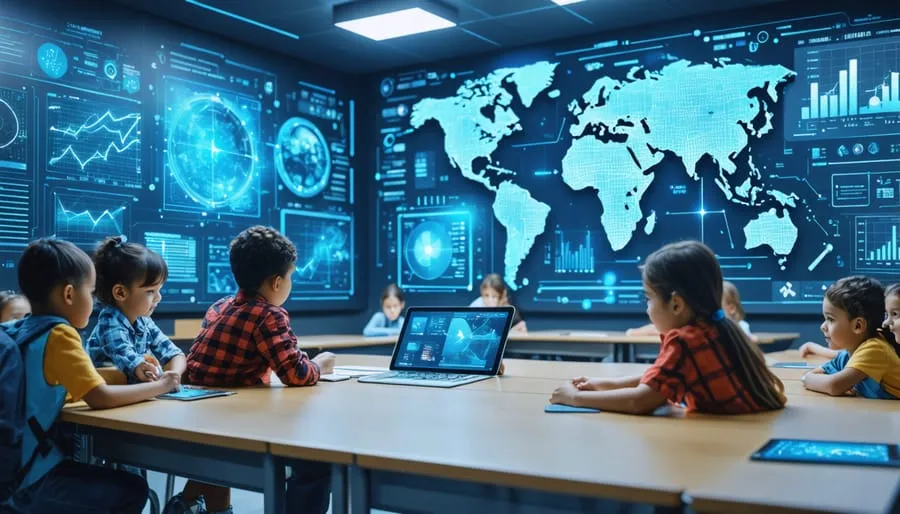
AI-powered learning platforms have quietly become the backbone of modern education, reshaping classrooms, corporate training rooms, and even self-learning journeys at home. Not long ago, learning followed a fixed path: one curriculum, one pace, one method for everyone. Today, learners expect flexibility, personalization, and real-time feedback, and this shift is largely driven by artificial intelligence.
Imagine a student struggling with algebra while excelling in geometry. Traditional systems often fail to adapt quickly. AI-based platforms, however, analyze performance instantly and adjust lessons to match individual needs. This is not science fiction anymore; it is happening across schools, universities, and workplaces globally.
The rise of these platforms reflects a deeper change in how people consume knowledge. Learners want relevant content, delivered at the right time, in the right format. AI makes this possible by combining data, behavioral insights, and intelligent algorithms into one seamless learning experience.
Understanding what makes AI-powered learning platforms different
At their core, AI-driven learning systems use machine learning, natural language processing, and predictive analytics to create adaptive educational environments. Unlike static e-learning tools, they continuously learn from user interactions. Every quiz attempt, pause, rewind, or skipped lesson provides valuable data that improves future recommendations.
This dynamic nature allows platforms to personalize content without manual intervention from educators. For example, if a learner consistently performs better with video-based explanations, the system prioritizes visual content. If another learner prefers text-based resources, the platform adapts accordingly.
These systems also excel at identifying knowledge gaps early. Instead of waiting for final exams, AI detects patterns that signal confusion or disengagement. Educators and trainers can then intervene before problems escalate, creating a more supportive learning ecosystem.
The evolution of education through intelligent technology
Education has always evolved alongside technology. From chalkboards to smartboards, each innovation aimed to improve knowledge transfer. AI represents a more profound shift because it changes not just the medium but the methodology of learning itself.
Early digital learning platforms focused on content delivery. AI-powered systems focus on learner behavior. They analyze how learners interact with material and use that insight to refine teaching strategies. This shift mirrors how experienced tutors adjust lessons based on student reactions, only now it happens at scale.
In higher education, universities use AI tools to support blended learning models. Students attend lectures while AI-driven platforms handle practice exercises, assessments, and personalized feedback. This combination allows educators to focus on mentoring and critical thinking rather than repetitive instruction.
Why personalization is the heart of AI-driven learning
Personalization is not just a buzzword; it is the defining feature of intelligent learning systems. Traditional classrooms often struggle to cater to diverse learning styles. AI solves this by creating individualized learning paths that evolve over time.
Consider language learning platforms that adjust vocabulary difficulty based on real-time performance. A learner who masters basic grammar quickly moves to advanced structures, while another receives additional practice without feeling left behind. This approach boosts confidence and motivation, two critical factors in long-term learning success.
Personalized learning also supports neurodiverse learners. AI systems can adapt pacing, presentation style, and assessment formats, making education more inclusive. This aligns with modern educational values that emphasize equity and accessibility.
The role of data and analytics in smarter learning decisions
Data is the engine behind AI-powered education. Every interaction generates insights that help refine the learning experience. Platforms analyze performance trends, engagement levels, and even emotional cues through sentiment analysis in some advanced systems.
For educators, these insights are invaluable. Instead of relying solely on test scores, teachers can see detailed reports on learner progress, strengths, and challenges. This data-driven approach enables informed decision-making and targeted support.
In corporate training, analytics help organizations measure return on investment. Companies can track skill development, compliance completion, and productivity improvements linked to training programs. This transparency makes learning initiatives more strategic and results-oriented.
Real-world applications across education and business
The impact of intelligent learning systems extends far beyond classrooms. In corporate environments, companies use AI platforms to reskill employees in response to rapidly changing job markets. Personalized training paths help workers acquire new skills efficiently, reducing downtime and improving performance.
Healthcare organizations use AI-based learning tools to train medical professionals with simulations and adaptive assessments. These platforms ensure that critical knowledge stays current, which is essential in fields where information evolves quickly.
Even informal learners benefit from these technologies. Professionals learning new software, entrepreneurs exploring digital marketing, or hobbyists studying photography all find value in systems that adapt to their pace and goals.
How AI-powered learning platforms support educators, not replace them
A common concern is that AI might replace teachers. In reality, these platforms are designed to support educators, not eliminate their role. By automating administrative tasks like grading and progress tracking, AI frees teachers to focus on mentoring and creative instruction.
Educators can use AI insights to tailor classroom discussions, group activities, and assignments. Instead of guessing where students struggle, teachers have clear data to guide interventions. This partnership between human expertise and machine intelligence leads to better outcomes.
Experienced educators often report that AI tools enhance their effectiveness. They gain deeper visibility into student learning patterns and can experiment with innovative teaching methods supported by real-time feedback.
Ethical considerations and trust in AI-based education
With great power comes responsibility. AI-driven learning systems must address ethical concerns related to data privacy, algorithmic bias, and transparency. Learners and institutions need assurance that their data is handled securely and used responsibly.
Reputable platforms prioritize compliance with data protection regulations and provide clear explanations of how algorithms make decisions. Transparency builds trust and aligns with EEAT principles, emphasizing expertise, experience, authority, and trustworthiness.
It is also crucial to ensure that AI systems do not reinforce existing inequalities. Developers must actively test and refine algorithms to serve diverse populations fairly. Ethical design is not optional; it is fundamental to sustainable adoption.
The future of skills development and lifelong learning
The concept of lifelong learning has gained urgency as industries evolve rapidly. AI-powered platforms play a central role in enabling continuous education. They adapt to changing skill requirements and help learners stay relevant throughout their careers.
Microlearning modules, personalized recommendations, and adaptive assessments make it easier for adults to learn alongside work and family commitments. This flexibility encourages ongoing skill development rather than one-time education.
As automation transforms job roles, AI-driven learning systems help bridge skill gaps proactively. Instead of reacting to workforce shortages, organizations can prepare employees for future demands through targeted training programs.
Measuring success beyond traditional assessments
Traditional assessments often fail to capture real understanding. AI-based platforms offer alternative evaluation methods that focus on mastery rather than memorization. Continuous assessment models provide a more accurate picture of learner progress.
These systems track improvements over time, recognizing effort and growth. Learners receive immediate feedback, which reinforces learning and reduces anxiety associated with high-stakes exams. This approach aligns with modern pedagogical research emphasizing formative assessment.
In professional settings, success is measured by performance improvement rather than test scores. AI platforms link learning outcomes to real-world application, making education more practical and impactful.
Integration with emerging technologies
AI-powered learning platforms do not operate in isolation. They increasingly integrate with technologies like virtual reality, augmented reality, and blockchain. These integrations enhance experiential learning and credential verification.
Virtual simulations allow learners to practice complex tasks in safe environments. AI adapts scenarios based on performance, creating realistic and challenging experiences. Blockchain-based credentials ensure that achievements are verifiable and portable across institutions.
This interconnected ecosystem represents the next phase of digital education, where learning is immersive, adaptive, and secure.
Building trust through EEAT-driven educational design
Experience, expertise, authority, and trustworthiness are essential for educational platforms. AI systems must be built and maintained by multidisciplinary teams that include educators, technologists, and ethicists.
Platforms that demonstrate proven outcomes, transparent methodologies, and strong user support earn credibility. Real-world success stories and peer-reviewed research further reinforce authority in the educational space.
Trust is also built through user-centric design. Intuitive interfaces, clear communication, and responsive support create positive learning experiences that encourage long-term engagement.
The global impact of intelligent learning systems
AI-driven education has the potential to reduce global learning disparities. Remote learners gain access to high-quality resources previously limited to elite institutions. Adaptive systems support learners with varying backgrounds and abilities.
In developing regions, mobile-friendly platforms deliver education to underserved communities. AI adjusts content for connectivity constraints and local contexts, making learning more accessible and relevant.
This global reach underscores the transformative potential of intelligent learning technologies when implemented responsibly.
Why AI-powered learning platforms are becoming the new standard
As digital transformation accelerates, expectations around education continue to rise. Learners demand relevance, flexibility, and personalization. Institutions seek efficiency, measurable outcomes, and scalability. AI-powered learning platforms meet these needs by combining advanced technology with human-centered design.
Their ability to adapt, analyze, and personalize sets them apart from traditional systems. From schools and universities to corporations and individual learners, adoption continues to grow across sectors.
The journey toward intelligent education is ongoing. As algorithms improve and ethical frameworks mature, these platforms will become even more effective and trustworthy. AI-powered learning platforms are not just tools; they represent a fundamental shift in how knowledge is shared, experienced, and applied in the modern world.
In an era defined by change, learning systems that evolve with learners are no longer optional. AI-powered learning platforms are shaping a future where education is smarter, more inclusive, and deeply personalized, setting a new benchmark for what effective learning can be.
Read also: